World’s Safest Countries in 2025 Named — And One of Them May Surprise You

7 days ago
Human beings spend quite a bit of their lives worrying: the safety of their streets, the stability of their government, the health of themselves and their families, and whether the air they breathe and the water they drink will safely sustain them.
Yet in a handful of countries, these worries are minimal — or at least far less acute than in most corners of the world. These are the places where leaving your door unlocked isn’t folly, where public services function smoothly, and where environmental policies help preserve air, water, and natural landscapes for future generations.
The Global Peace Index (GPI) considers 23 indicators — from violent crime and political instability to militarization, social conflict, and more — to compute a global score. The lower the score, the safer and more peaceful the country. Below are the top 10 safest countries for 2025. Each is evaluated not just on the GPI score and safety, but also on public health and environmental stewardship — a reminder that peace is multidimensional.
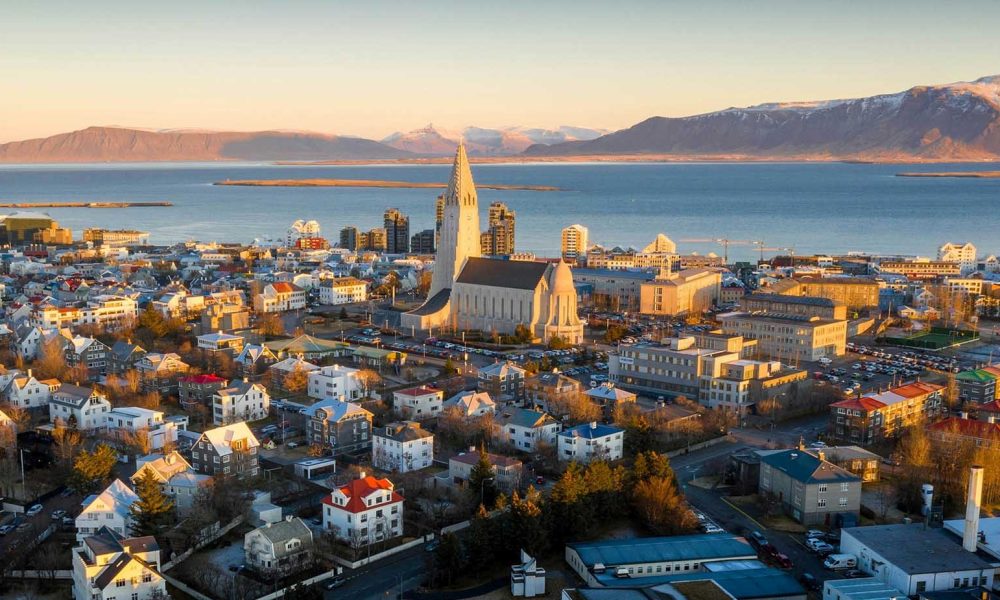
THE TOP 10 GLOBAL LEADERS IN PEACE, SAFETY, AND SUSTAINABILITY 1. Iceland — 1.112Iceland’s hold on the top spot has become tradition. Its small, tightly knit communities, deep social trust and minimal external threats make everyday life feel almost idyllic. Iceland’s reputation for tranquillity is not accidental; it is the product of long-standing social cohesion, transparent governance, and an environment that encourages community-minded living. Even in Reykjavík, the pace remains measured, and large gatherings feel safe without heavy security. The country’s natural hazards are well managed, and emergency responses are swift and organized. With a population that values fairness and open dialogue, Iceland offers a model of how trust and civic participation can shape everyday life.
2. Ireland — 1.303Ireland’s strong performance is strengthened by effective institutions, steady economic growth and a population that places a premium on community welfare. The country has invested heavily in social services since the 1990s, and the benefits are now visible in low levels of violent crime and a broadly stable political climate. While urban pressures persist, especially in Dublin, the overall environment remains predictable and supportive. Ireland’s cultural emphasis on hospitality also shapes public behaviour, helping maintain a sense of openness and safety in both cities and small towns.
3. Austria — 1.313Austria stands out for the consistency of its public order, the reliability of its infrastructure and a long tradition of civic responsibility. Crime levels remain low thanks to a justice system that is efficient but not heavy-handed, allowing daily life to unfold with little friction. Its cities blend historic charm with modern planning, and public transit is extensive and secure. Austria’s geographic position at the heart of Europe makes it a hub for travel and commerce, yet it still manages to retain a calm, almost orderly rhythm that underpins its high GPI ranking.
4. New Zealand — 1.323New Zealand’s stability reflects both its geographic isolation and its careful management of social policies. Communities are close-knit, and social mobility is relatively high, reducing the kinds of tensions seen elsewhere. Public institutions enjoy broad trust, which helps during times of crisis, whether natural disasters or economic shocks. While the country continues to navigate debates on housing and migration, the underlying fabric of society remains resilient. This combination of open spaces, reliable services and neighbourly culture contributes to a lasting sense of security.
5. Singapore — 1.339As the highest-ranked Asian nation, Singapore shows how dense urban centres can still prioritize safety, health, and sustainability. Singapore’s position in the top tier comes from an approach that blends strict enforcement with efficient administration and long-term planning. People move through the city with confidence, whether commuting late at night or navigating crowded public spaces. The strength of its healthcare system adds another layer of assurance, particularly in times of regional uncertainty. Though tightly regulated, Singapore is also known for its orderliness, clean streets and public trust in institutions. The result is an environment where residents and visitors feel consistently protected and supported.
6. Switzerland — 1.350Switzerland continues to leverage its political neutrality, strong rule of law and high living standards to maintain a peaceful society. Public transport is not just efficient but dependable to an almost legendary degree, reflecting broader national expectations of precision and reliability. Residents benefit from well-funded public services and a civic culture that prizes stability. Even with diverse linguistic and cultural regions, social cohesion remains strong, making Switzerland a place where safety is embedded in the rhythm of everyday life.
7. Portugal — 1.372Portugal’s calm atmosphere is evident in both its cities and coastal towns. The country has worked hard to stabilise its economy and improve public services over the past decade, and the payoff is clear in low crime rates and steadily increasing levels of public confidence. Locals often describe a relaxed pace of life, and that sense of ease carries over into how communities function. Environmental protections and renewable-energy efforts have also strengthened long-term quality of life, reinforcing Portugal’s reputation for safety and stability.
8. Denmark — 1.382Denmark’s blend of social equality, community participation and well-maintained public infrastructure makes it one of the easiest places in the world to live securely. The welfare system reduces disparities that can drive unrest, and the education system consistently promotes civic awareness. Public spaces are inviting and accessible, and trust between residents and authorities remains high. Denmark’s environmental initiatives also contribute to healthier, safer surroundings, helping foster a stable environment that holds strong even as global challenges intensify.
9. Slovenia — 1.395Slovenia’s peaceful character can be felt across its forested hills, compact towns and well-preserved natural areas. The country benefits from steady governance, solid public health services and a culture that values outdoor living and communal activity. Cities like Ljubljana are known for being walkable and friendly, with low crime and a strong sense of local pride. Slovenia’s commitment to careful development means residents enjoy both the conveniences of modern life and the comfort of a cleaner, calmer environment that supports long-term wellbeing.
10. Malaysia — 1.427It’s a welcome surprise to see Malaysia in the top 10 amid so many other high achievers! But truly, Malaysia has made amazing strides, improving impressively from its 19th-place ranking just two years ago. Malaysia’s appearance on this list highlights the progress made through sustained policing reforms, investment in public services, and the resilience of local communities. While urban centres still face challenges, overall safety has improved significantly, especially in day-to-day life outside tourist hotspots. The health system, with its accessible public hospitals and strong vaccination programmes, adds a layer of national stability. Growing attention to environmental policy — from marine conservation to forest protection — shows a broader shift toward future-focused governance. Malaysia’s combination of cultural diversity, social adaptability, and improving institutional strength positions it as a country steadily building its long-term safety profile. For locals and visitors alike, that stability underpins potential — for investment, for travel, for everyday life.
WHAT THIS MEANS AND WHY IT MATTERSLooking across this list, certain patterns become clear. Peace is rarely just the absence of conflict; it is the result of stable institutions, social trust, accessible services, and long-term thinking. These countries show that safety and wellbeing grow when public systems work — when health care doesn’t break under pressure, when law enforcement respects rights while protecting citizens, and when environmental stewardship preserves livability over decades.
For travellers, expats or people considering relocation, these rankings offer more than bragging rights. They hint at environments where night walks, public transport, family life and long-term planning don’t come with constant vigilance. They point toward societies where public spaces can be shared without fear, and where nature, infrastructure and social cohesion are treated as collective assets.
For Malaysia — often pigeon-holed as developing or in flux — ranking among the world’s safest 10 countries is a mark of real progress. It’s a sign that reform, social stability, and community engagement have real, measurable outcomes. It underscores the need to continue strengthening institutions, ensuring equity, and valuing environmental and social sustainability.
Sources: Global Peace Index 2025 rankings as compiled by WorldAtlas, Atlas & Boots, VisualCapitalist, and Aviation A2Z.
...


Read the fullstory
It's better on the More. News app
✅ It’s fast
✅ It’s easy to use
✅ It’s free