We may disagree on many things. But can we agree on the Malaysia we want?

1 day ago
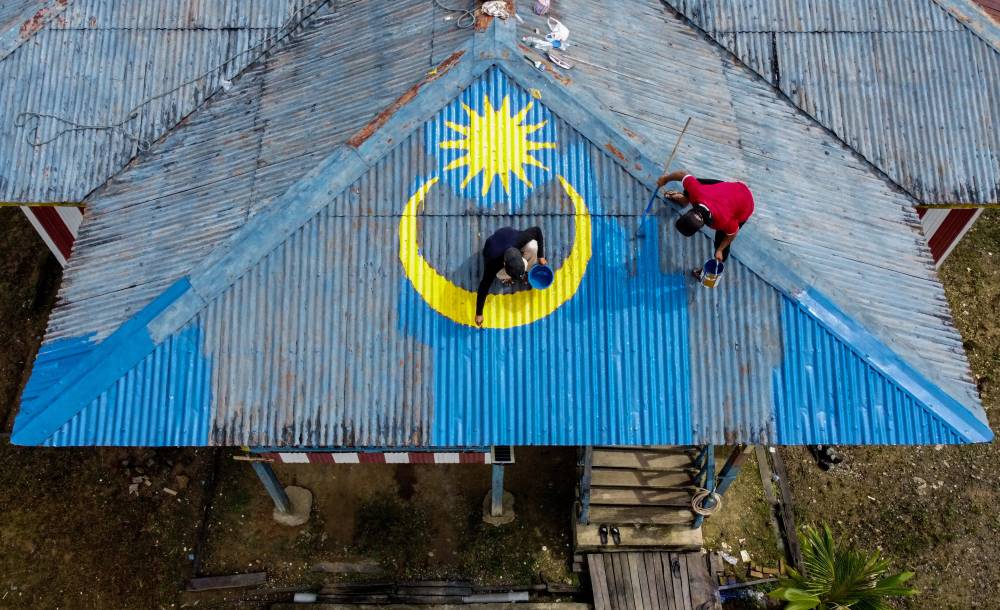
SHAH ALAM — Malaysians may disagree on politics, religion, race and countless other issues, but perhaps the future of the country does not depend on everyone thinking alike.
Perhaps it depends on something much simpler - finding the things we can still agree on.
This is one of the ideas at the heart of #Malaysia100, a national conversation aimed at getting Malaysians to imagine the country they want to see when it reaches 100 years of independence in 2057.
The concept does not pretend Malaysia's differences will disappear. In fact, it recognises that disagreement is a natural part of democracy.
Founder of Yayasan Warisan Ummah Ikhlas and Yayasan Sinar Untuk Malaysia Datuk Hussamuddin Yaacub said Malaysians do not need to agree on everything.
"Differences of opinion are normal in a democracy," he said.
What matters, he added, is identifying the bigger things that Malaysians can agree on, and building from there.
At first glance, that may sound simple. But in a country where conversations about race, religion and politics can quickly become divisive, finding common ground may be one of the most important conversations Malaysians can have about their future.
What if, despite all our differences, most Malaysians still want the same basic things?
They want their children to receive a good education. They want to live in peace. They want an economy that gives people opportunities to build better lives. They want institutions they can trust. They want a society where differences do not constantly become reasons to turn against one another.
These are the common aspirations that #Malaysia100 hopes to bring to the surface.
Rather than asking only “What divides us?”, perhaps Malaysians should also ask: “What is the Malaysia we can still agree on?”
That question becomes even more important when looking towards 2057.
The children growing up today will be the adults of that Malaysia. Some will become parents, teachers, doctors, entrepreneurs, public servants and leaders.
The country they inherit will be shaped not only by government policies and economic decisions, but also by how today's generation chooses to deal with its differences.
If today's disagreements become tomorrow's inherited divisions, the next generation may spend its time fighting battles it did not create.
But if Malaysians can identify the principles they are willing to protect together, those differences need not prevent the country from moving forward.
That does not mean ignoring difficult issues, it does not mean pretending everyone has the same experience or interests, and it certainly does not mean asking Malaysians to remain silent when they disagree.
The #Malaysia100 vision instead calls for Malaysians to be critical, to ask difficult questions and to have conversations about what a truly united Malaysia, prosperity and integrity should look like.
The challenge is to disagree without losing sight of the bigger picture. After all, governments will change, political parties will rise and fall.
Leaders will come and go, but Malaysia remains.
That is why the aspirations of education, integrity, unity, trusted institutions and the future of the next generation cannot be allowed to change direction every time political winds shift.
And this conversation cannot be left to politicians alone.
#Malaysia100 is envisioned as something that belongs to everyone - government and opposition, businesses and workers, schools and universities, civil society, religious organisations, professionals, entrepreneurs, young people and ordinary Malaysians.
The proposed National Dialogue Year from today to Aug 31, 2027 is intended to give Malaysians a year to listen, question, debate and share their hopes before the country embarks on the next 30 years towards 2057.
The destination may be 2057 but the choices begin today. Perhaps Malaysian unity does not require us to become the same. Perhaps it simply requires us to decide what is worth protecting together.
Our children's future, shared home, institutions, dignity and hope because we can argue about many things - vote differently, worship differently and see the world differently, but if we can still agree that the Malaysia we hand to the next generation should be better than the Malaysia we received, perhaps that is enough common ground to begin.
Because 2057 will arrive regardless of whether we are ready.
The question is whether, by then, Malaysians will have learned how to disagree — without forgetting that we are building the same country.
...


Read the fullstory
It's better on the More. News app
✅ It’s fast
✅ It’s easy to use
✅ It’s free