Rising Oil Prices Push Up Airfares and Fuel Costs in Malaysia Amid Middle East Tensions

10 days ago
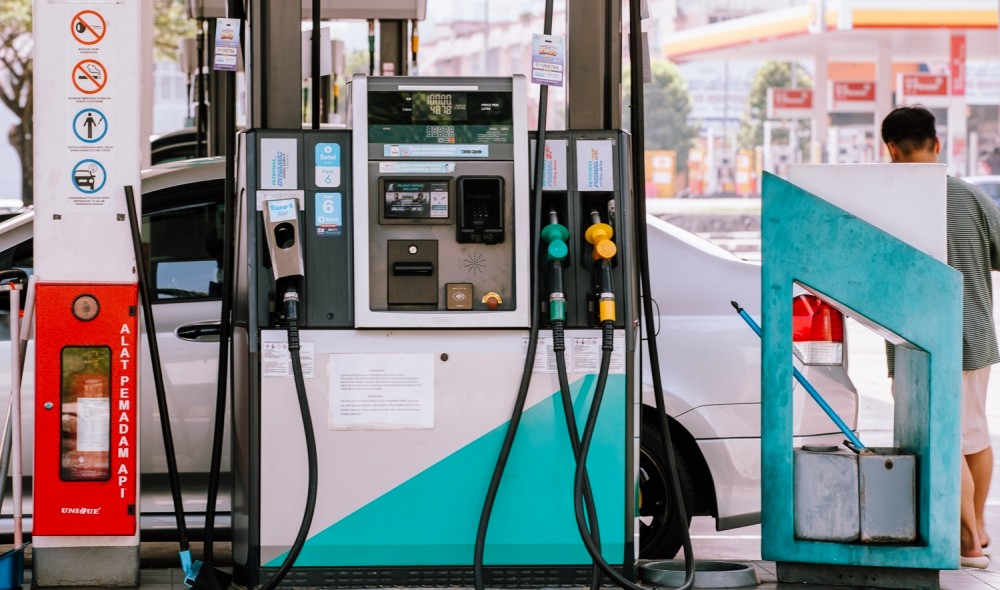
Sustained tensions throughout the Middle East as a result of Benjamin Netanyahu and Donald Trump’s war with Iran are beginning to ripple through Malaysia’s economy, pushing up fuel prices and airline surcharges while testing the government’s ability to shield consumers from global energy volatility.
Although many Malaysian motorists are still largely protected by fuel subsidies, the effects are already being felt in two key areas – at the petrol pump for some fuel grades, and in the price of airline tickets.
GLOBAL ENERGY SHOCK HITS LOCAL MARKETSThe latest round of price adjustments follows a sharp spike in global oil markets after escalating conflict involving Iran sent shockwaves through energy supply chains. Benchmark Brent crude briefly surged to nearly US$118.93 per barrel on March 9 before easing to around US$90 in subsequent trading sessions, reflecting ongoing volatility.
Malaysia’s Ministry of Finance responded by adjusting domestic fuel prices for the March 12–18 pricing cycle. Premium RON97 petrol rose by 60 sen per litre to RM3.85, an increase of more than 18% from the previous RM3.25.
Unsubsidized RON95 petrol also climbed by the same 60 sen to RM3.27 per litre. However, motorists eligible under the government’s Budi95 targeted subsidy programme continue to pay RM1.99 per litre, insulating most Malaysian drivers from the immediate impact.
The question, however, is how long the government can maintain that protection if global oil prices remain elevated.
Diesel prices also spiked in Peninsular Malaysia, rising almost 26% to RM3.92 per litre from RM3.12. Subsidized diesel prices in Sabah and Sarawak, however, remain unchanged at RM2.15 per litre.
To help offset the impact on certain sectors, the government confirmed that subsidized diesel for public transport and logistics companies will remain at RM1.88 and RM2.15 per litre respectively. Cash assistance under the Budi Diesel Individu and Budi Diesel Agri-Komoditi schemes has also been temporarily increased to RM300 for March.
According to the finance ministry, the government will continue absorbing part of the subsidy burden in order to cushion the effect of global price swings.
“Although fuel prices will be adjusted to reflect movements in global oil prices, the government will continue to bear part of the subsidy to cushion the impact of market price increases on the rakyat,” the ministry said in a statement.
AIRLINES PASS ON HIGHER FUEL COSTSWhile motorists may be partially shielded from higher pump prices, air travellers are out of luck, with many already seeing the consequences of rising energy costs as they take to search engines and booking sites to book future flights.
Malaysia Airlines, its regional subsidiary Firefly, and Batik Air have all announced significant increases to fuel surcharges – the fees airlines add to ticket prices to offset the variable cost of jet fuel.
The changes took effect on March 11 for most routes, with additional adjustments scheduled from March 25 for flights to Japan, South Korea, Taiwan, Hong Kong, and the Philippines.
Airlines typically review fuel surcharges periodically rather than adjusting base fares each time fuel costs fluctuate. With jet fuel representing roughly 20% to 30% of an airline’s operating costs, even modest increases in oil prices can quickly translate into higher ticket prices.
Batik Air provided the clearest breakdown of the changes in a notice to travel agents.
Malaysia Airlines has also confirmed a significant surcharge increase for tickets issued in Japan. Beginning April 1, tickets issued in that market will include an additional fuel surcharge of JPY 15,500 per segment.
Converted to Malaysian currency, that amounts to roughly RM380 for a one-way flight – or about RM760 for a round trip before base fares and taxes are added.
AIRFARES LIKELY TO RISE FURTHER: WHAT YOU NEED TO KNOWIndustry analysts say the surcharge adjustments are only part of the story. As airlines grapple with higher fuel bills, the overall cost of flying could rise by 5% to 10% in the months ahead. If that trend continues, travellers may soon notice noticeably higher ticket prices across popular leisure routes such as Japan, South Korea, and Australia.
Historically, rising airfares tend to affect leisure travel first. When prices climb, some travellers delay trips, shorten holidays, or switch destinations in search of cheaper alternatives. For airlines, the challenge lies in balancing higher operating costs against the risk of weakening demand.
The latest surcharge adjustments apply only to newly issued tickets. Travellers who booked flights before the changes took effect will not see the new charges applied to their existing reservations.
For those planning international travel, however, timing could matter. Tickets issued from March 11 onward are already subject to higher surcharges on most routes. From March 25, additional increases will apply to flights serving Japan, South Korea, Taiwan, Hong Kong, and the Philippines.
The Malaysia Airlines surcharge for Japan-issued tickets takes effect April 1 for travel booked through May 31.
In practical terms, travellers considering a trip later this year may find that delaying a booking now carries a higher price tag. Of course, if the conflict in Iran ends sooner rather than later – a real unknown at this point – fares could ease again later in the year.
SUBSIDIES OFFER TEMPORARY RELIEFAs noted above, despite the rising global energy costs, Malaysian motorists remain relatively insulated from the full impact thanks to the country’s fuel subsidy system. The widely used RON95 petrol remains fixed at RM1.99 per litre for eligible motorists under the Budi95 programme – far below the unsubsidised market price.
Still, maintaining that subsidy comes at a cost, and a government which has made no secret of its waning appetite for shouldering enormous subsidies cannot rightly be expected to absorb the no doubt immense costs of subsidizing fuel if the war in the Middle East drags on. Should oil prices remain elevated for an extended period, the fiscal burden on the government could grow significantly.
For now, the immediate shock of the global oil surge is being absorbed partly by airlines and partly by the government’s subsidy framework. Whether that balance can hold if geopolitical tensions persist is an open question.
One thing is already clear – the ripple effects of distant conflicts can travel quickly, showing up not only in energy markets, but also in the everyday costs of travel and transport.
Sources: The Edge Malaysia, The Rakyat Post, Malaysia Ministry of Finance, industry reports on global oil markets, Malay Mail, The Star.
...


Read the fullstory
It's better on the More. News app
✅ It’s fast
✅ It’s easy to use
✅ It’s free