Thailand’s Worst-Ever Energy Crisis May Hold Lessons for Malaysia

6 days ago
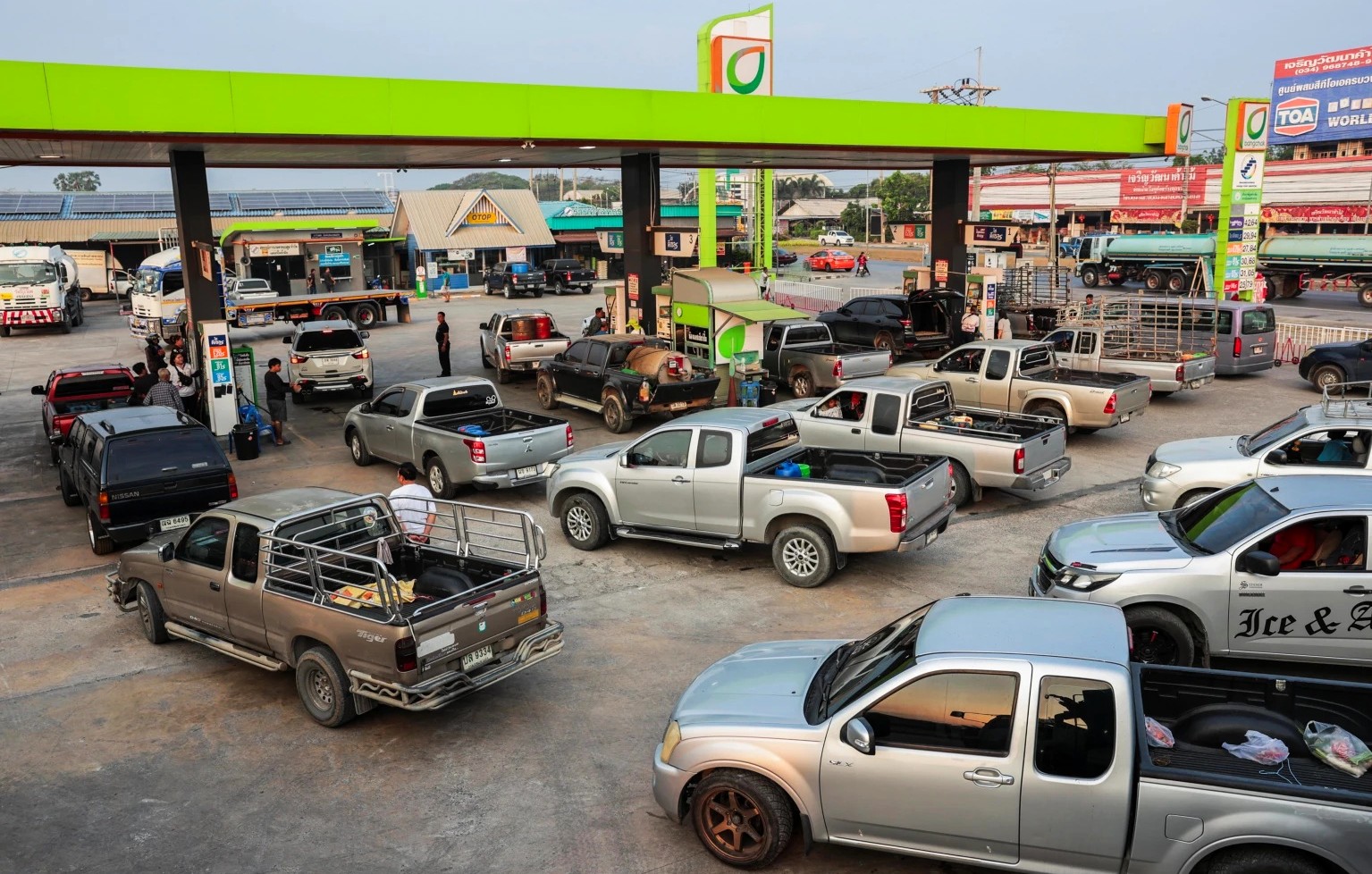
Thailand is facing a sharp and rapidly escalating energy crunch, with policymakers scrambling to prevent a breakdown of the country’s long-standing fuel subsidy framework. At the heart of the issue is a surge in global diesel prices, now reported to be nearing a stunning US$300 per barrel – a level that far exceeds previous peaks and places extraordinary strain on public finances. Diesel underpins supply chain logistics and transportation costs at a disproportionately high rate compared to gasoline, which of course is facing its own headwinds.
The scale of the increase in diesel prices is striking. For context, diesel prices during the early weeks of the Russia–Ukraine War peaked at around US$150 per barrel, already considered a major shock to global markets. The current spike, driven in part by geopolitical tensions and supply disruptions, has effectively doubled that unwelcome benchmark, leaving governments across the region exposed.
For Thailand, the immediate concern is the stability of its Fuel Fund, a mechanism designed to smooth price volatility for consumers. That fund is now reportedly running a deficit of nearly 50 billion baht (about RM6.2 billion). While a credit facility of 150 billion baht (RM18.5 billion) remains available, officials have warned that, at the current rate of depletion, these reserves could be exhausted within two months.
CLAWBACK MEASURES AND POLICY RESPONSESIn response, Thailand’s Ministry of Energy is pursuing an interventionist approach, seeking to reclaim what it views as “windfall profits” earned by domestic refineries during this period of elevated prices. Using a five-year average refining margin of 2.43 baht as a baseline, any excess earnings are being scrutinised, with the aim of redistributing gains back to consumers.
Major industry players, including PTT Public Company Limited and Bangchak Corporation, have reportedly signalled a willingness to cooperate, though the final structure of the scheme remains under discussion. Authorities are weighing whether to implement broad-based price reductions or to prioritize targeted subsidies for sectors such as transportation and lower-income households.
This approach reflects a broader tension seen in many economies: how to shield consumers from sudden price shocks without undermining the financial viability of energy producers or the fiscal health of the state.
A CONTRAST WITH MALAYSIAMalaysia, while certainly not immune to global energy volatility, finds itself in a somewhat more stable position. The country benefits from its status as a modest net exporter of some elements of the crude oil and natural gas supply chains, anchored by the presence of Petroliam Nasional Berhad, better known as PETRONAS. This provides a degree of insulation, particularly in times of elevated global prices.
However, that insulation is not absolute, nor is it infinite. Malaysia remains a net importer of refined petroleum products (in other words, the petrol and diesel we all use), meaning that global price swings still feed into domestic subsidy costs. As seen in recent fiscal discussions, the government’s fuel subsidy bill can expand rapidly when oil prices rise, placing pressure on budgetary targets and prompting calls for rationalization.
Unlike Thailand’s current emergency measures, Malaysia has been gradually shifting towards a more targeted subsidy framework. Programmes such as Budi95 ostensibly aim to direct fuel subsidies towards those who need them most, rather than maintaining blanket price controls. (However, the reality of this is highly questionable, as the end version of the subsidy progamme includes virtually all Malaysian motorists, something that can hardly be called “targeted” subsidies.) This reflects a growing recognition that universal subsidies, while obviously popular and politically beneficial, can be economically inefficient, unsustainable, and disproportionately benefit higher-income groups.
All that said, Malaysia’s approach is not without its own challenges. Balancing affordability with fiscal discipline remains a delicate exercise, particularly in a country where fuel prices are closely watched by the public and have significant downstream effects on the cost of living. Critics say it’s just a matter of time before the eye-popping surge in diesel prices begin showing up in the prices of everyday goods and services – in some measures, that’s already happening.
BROADER ECONOMIC IMPLICATIONSThailand’s current predicament highlights the risks inherent in heavily subsidized energy systems. When global prices remain relatively stable, such systems can function effectively, cushioning consumers and supporting economic activity. But when volatility spikes, as it is doing now, the financial burden can quickly become unsustainable.
There are also secondary effects to consider. Prolonged subsidy regimes can distort market signals, discourage energy efficiency, and delay the transition to alternative energy sources. In contrast, more market-aligned pricing – while potentially more painful in the short term – can encourage conservation and investment in cleaner technologies.
For Malaysia, the lesson is perhaps not necessarily to abandon subsidies altogether, but to refine and recalibrate them. Experts have said that a targeted approach, combined with clear communication and gradual implementation, may offer a more sustainable path forward. Some have suggested capping the subsidy (one group notably fixing that cap at RM1 per litre subsidized). In a country long accustomed to wide-ranging subsidies for energy and food, any realistic path forward is rarely as simple as it may seem on paper.
At the same time, both Thailand and Malaysia naturally operate within a broader regional and global context. Southeast Asia’s economic resilience is closely tied to trade, investment, and the movement of people and expertise across borders. International energy markets, foreign investment in infrastructure, and the presence of multinational firms all play a role in shaping outcomes. In this sense, maintaining openness and policy credibility remains just as important as managing domestic price controls.
Sources: The Nation Thailand; CNA; regional energy market reports; Bangkok Post; public statements from Thailand Ministry of Energy; PETRONAS disclosures; regional economic analyses on fuel subsidies and oil price trends
...


Read the fullstory
It's better on the More. News app
✅ It’s fast
✅ It’s easy to use
✅ It’s free