Krabi Calling: Thailand’s Cinematic Coast and Its Hidden Natural Power

5 days ago
This post contributed by Sue Ann Kunath
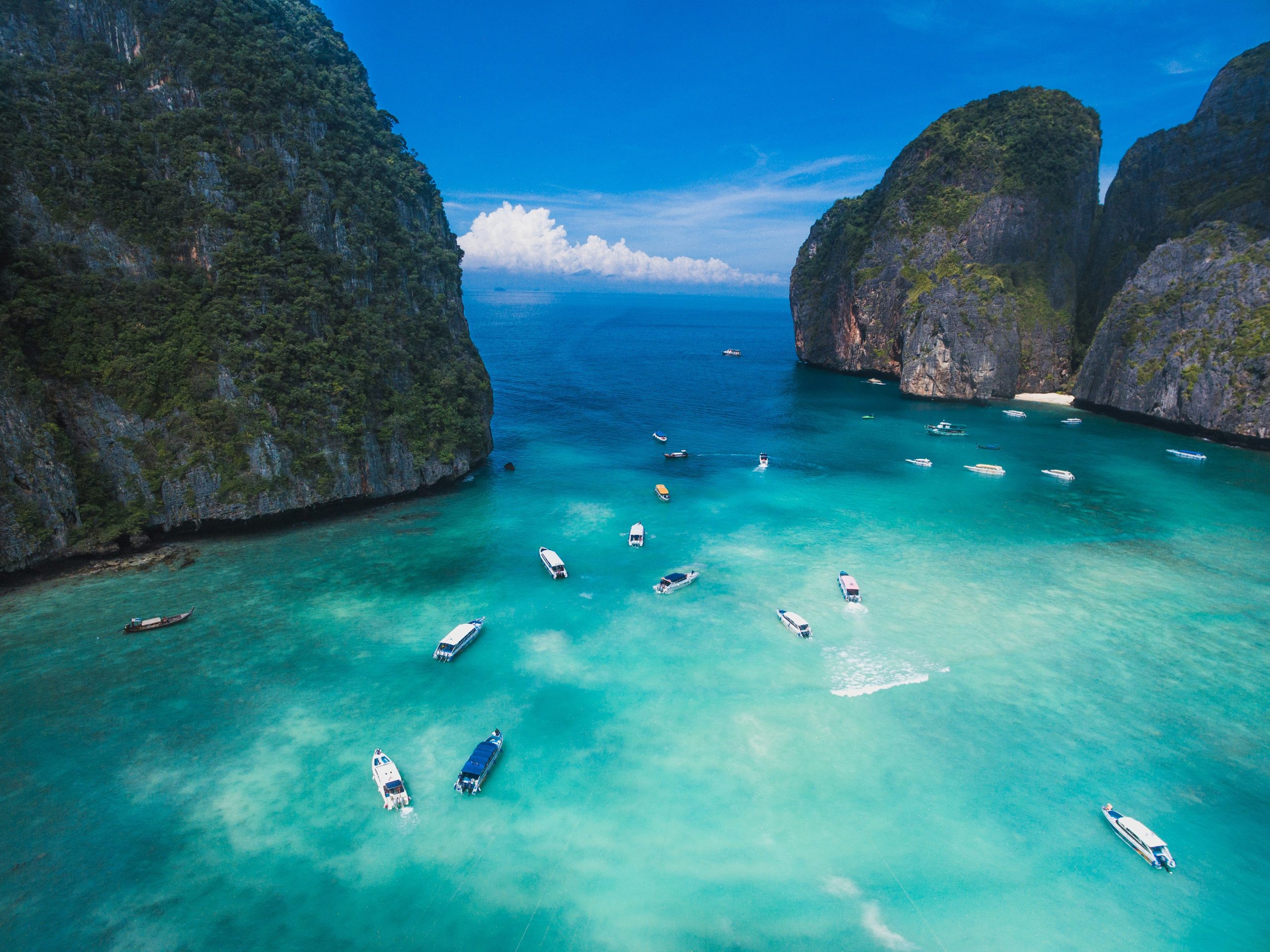
Krabi, a coastal province about 800 km south of Bangkok, is known for its dramatic scenery featuring towering limestone cliffs, pristine sandy beaches, ancient rainforests and crystal-clear waters. It is the perfect place to go for island hopping, rock climbing, snorkelling and diving, and exploring natural wonders like hidden lagoons, caves, and mangrove forests.
Even if you have not yet experienced these natural gems in person, chances are you have encountered them before – perhaps in a striking advertisement, a fleeting online image, or even as a laptop screensaver. Krabi’s breathtaking scenery is also instantly recognisable from numerous famous films. Major productions, including The Beach, The Hangover Part II, Star Wars: Episode III – Revenge of the Sith, Fast & Furious 9, and most recently Jurassic World: Rebirth (2025), have all filmed amid Krabi’s unforgettable islands, plantations, turquoise waterways, forest pools, and majestic limestone mountains. In addition, nearby Phang Nga Bay, often visited on excursions from Krabi, is home to Khao Phing Kan, known as James Bond Island, which appeared in The Man with the Golden Gun. Together, these cinematic connections highlight the region’s extraordinary landscapes, which continue to captivate visitors.
AWE-INSPIRING LANDSCAPESKrabi’s landscape is best known for its dramatic limestone karst cliffs – a type of landscape created when limestone is dissolved by water over a long time – and its mangrove forests.
Formed over millions of years, Krabi’s limestone cliffs began as layers of shells and coral deposited in an ancient shallow sea. Over time, these layers hardened into limestone and were gradually uplifted by natural geological forces. Rainwater and groundwater then slowly shaped the rock, carving out steep cliffs, hidden caves, and rugged karst towers – the dramatic limestone formations that today define Krabi’s iconic coastline and inland terrain.
Another key natural feature of Krabi is its mangroves and wetlands, found in and around the Krabi Estuary. The five-kilometre Krabi River winds through the province’s lowlands, passes close to Krabi Town, and meets the tributary channels of Khlong Yuan and Khlong Chi Lat before flowing into the Andaman Sea. The estuary and its surrounding wetlands support rich plant and animal communities that have adapted to the region’s brackish waters. These mangrove forests play a vital ecological role: they provide essential habitats for countless species, stabilise shorelines, reduce coastal erosion, and help protect the land from waves and storms.
According to local Thai authorities and the Department of Marine and Coastal Resources (DMCR), Krabi Province is home to an estimated 34,900 hectares of mangrove forest, making it one of the largest mangrove strongholds along Thailand’s Andaman coast. The Krabi River Estuary alone accounts for roughly 10,000 to 10,200 hectares – a vast, tidal green belt that underpins the region’s coastal ecology.
PRESERVATION OF THE MANGROVE FORESTSIn recognition of its ecological importance, the Krabi Estuary was designated a Ramsar Wetland of International Importance in July 2001 under the Ramsar Convention. This international treaty promotes the conservation and sustainable use of wetlands worldwide, ensuring that vital ecosystems such as Krabi’s mangroves are preserved.
These protected wetlands, consisting of mangrove forests, mudflats, and seagrass beds serving as key habitats for diverse birdlife and marine species, are increasingly under pressure from nearby tourism and development: the heavy scouring of sediment will eventually result in the uprooting and loss of mangrove trees, while waste, litter and drainage water can pollute the estuarine waters and affect the health of marine life reliant on mangroves.
There is also a range of national environmental and forestry laws in Thailand to protect the mangrove forests. These laws limit mangrove clearing, require environmental impact assessments for new developments, and allow sensitive areas to be set aside for conservation.
In Krabi, these national protections are supported by local land-use zoning and designated environmental protection areas that specifically include mangrove conservation zones. Government agencies such as the Department of Marine and Coastal Resources help enforce these rules through regular patrols and by working closely with local communities to prevent illegal activities and protect mangrove ecosystems.
HOW MANGROVE TREES HELP AGAINST GLOBAL WARMINGMangrove trees and the soil beneath them are incredibly effective at capturing and storing carbon, making mangrove forests a powerful ally against global warming. They’re estimated to store three to four times more carbon than other types of tropical forest. Large amounts of organic matter such as fallen leaves, roots, and woody debris, are trapped in the waterlogged, oxygen-poor (anaerobic) soils beneath mangrove forests. Because decomposition is very slow in these conditions, the carbon becomes buried and stored in sediments for centuries to millennia instead of being released back into the atmosphere. Mangrove ecosystems are thus key in capturing and locking away far more carbon per hectare than most terrestrial forests.
Mangroves, seagrass beds, and coral reefs are often found together and work in harmony. The trees trap sediment and pollutants that would otherwise flow out to sea. Seagrass beds provide a further barrier to silt and mud that could smother the reef, while providing feeding grounds and safe nursery areas where young fish can grow and hide from predators. In return, the coral reefs protect the seagrass beds and mangroves from strong ocean waves. Without mangroves, this incredibly productive ecosystem would cease to function effectively.
The Krabi Estuary is a prime example of this richness and is popular with birdwatchers seeking some of the world’s most diverse and rare species. Its mangroves are home to tropical birds such as kingfishers, Asian koels, greater coucals, herons, and egrets, as well as monitor lizards, snakes, and monkeys. Mangroves also serve as vital nursery grounds for fish, shrimp, crabs, and shellfish, while clams and snails burrow into the soils beneath their roots. Additionally, the fertile mudflats, formed from fine river sediments and organic matter from decaying mangroves, are essential feeding areas for shorebirds.
SUSTAINABLE TOURISMThe mangrove forests of Krabi are far more than a scenic backdrop: they are powerful natural pillars in the fight against climate change and the keepers of rich, interconnected ecosystems. By choosing to explore these environments responsibly through eco-tourism, visitors help ensure that mangroves continue to shield coastlines, support wildlife, and sustain local communities.
Some of the popular activities include kayaking through mangroves. Exploring mangroves by kayak is one of the most popular and eco-friendly ways to see Krabi’s coastal forests without disturbing wildlife. You paddle quietly through shaded channels and hidden lagoons, often surrounded by limestone cliffs and opportunities to spot birds, monkeys, and other animals. Ao Thalane Kayak Krabi is a highly rated major mangrove area to do this. Less crowded locations for kayaking include Khao Khanabnam and Ao Luk.
For inland kayaking, we visited Klong Root (Crystal Stream), a clear and quiet freshwater stream where the latest Jurassic World movie was filmed. Not only do these tours offer breathtaking views of the natural landscape, but they offer a fun and challenging activity as well – to navigate around the tricky mangrove roots and trying to disentangle your kayak from them is quite the experience! Many of these kayaking spots, just like Klong Root, also offer designated areas for swimming. The location is serviced by different kayak providers – we ourselves had a good experience with the one located in the back at the waterfront, with its outside picnic areas and friendly staff.
For a more relaxed exploration (good for birdwatching and wildlife viewing and photography), you can take a longtail boat tour through broad mangrove waterways. These tours often include commentary about the ecology and culture of the area.
OTHER ECOTOURISM ACTIVITIESOccasionally, local communities host mangrove festivals or eco events (like the Mangroves Festival in the Thung Yee Peng area), featuring activities like guided walks, cultural showcases, and community-led conservation education. From hiking in the lush forest, kayaking along Krabi’s coastal line or water ways, paddle boarding, relaxing boat tours, or visiting local fish farms and learning about community life, Krabi’s stunning natural beauty with consideration of its deep ecological importance is a must for nature lovers, adventurers, and those seeking sustainable travel experiences.
TRAVEL FILEHow to get thereThere are direct flights (1 hour and 20 minutes) from Kuala Lumpur International Airport (KUL) to Krabi International Airport (KBV) with AirAsia, Batik Air Malaysia, and Firefly.Where to stayCentara Ao Nang Beach Resort & Spa Krabi, Krabi Resort (at the beach) or Dusit Thani.
...


Read the fullstory
It's better on the More. News app
✅ It’s fast
✅ It’s easy to use
✅ It’s free