Four Affordable Asian Retirement Destinations Worth Your Attention

5 days ago
For many older adults in Western countries, most notably the United States, the idea of a comfortable retirement is becoming harder to secure. As noted by American website Investopedia, only about six in 10 Americans have retirement savings accounts such as a 401(k) or IRA. Against that backdrop, the notion of stretching one’s savings further – without sacrificing quality of life – has taken on growing importance. Add to that an undeniable discontent with many political realities and soaring complexities of daily life, and it’s not surprising that more and more people are considering their options for the future, and looking for alternatives.
One increasingly popular solution is retiring abroad. Across Asia, a number of destinations offer a compelling mix of affordability, lifestyle appeal, and cultural richness. While major cities often dominate the conversation, it is the region’s smaller, less-hyped locales that frequently deliver the most rewarding retirement experiences.
WHY ASIA CONTINUES TO ATTRACT RETIREESAsia’s appeal is hardly new. The region’s warm climate, diverse cultures, and long-established hospitality have drawn travellers for decades. Today, that appeal extends well beyond short-term visits. Many countries in Asia consistently rank among the most affordable places to live globally, while healthcare systems, infrastructure, and expatriate communities have all improved significantly in recent years.
For retirees, this translates into a lifestyle that is both comfortable and engaging – one that balances financial prudence with meaningful day-to-day living. Access to fresh food, outdoor activities, and vibrant local culture adds to the draw, while improved connectivity makes it easier than ever to stay in touch with family and friends.
Another key factor is value. In many parts of Asia, retirees find that their money stretches considerably further than it would in Western countries. Everyday expenses – from dining out to domestic help, transport, and utilities – tend to be far more manageable, allowing for a higher standard of living without the financial pressure that often accompanies retirement back home. This is not merely about saving money, but about gaining flexibility and choice in how one spends time and resources.
Healthcare is also a major consideration, and across much of Asia, it has become a strong selling point. Countries such as Malaysia, Thailand, and increasingly Vietnam and the Philippines, offer private healthcare that is both high quality and relatively affordable. Many facilities are internationally accredited, with English-speaking medical professionals and modern equipment, giving retirees confidence that their needs will be well met.
Equally important is the lifestyle itself. Asia offers a rhythm of life that many retirees find appealing – active, social, and outdoors-oriented, yet without the relentless pace of major Western cities. Whether it is morning walks along a beach, afternoons spent exploring markets, or evenings enjoying local cuisine, daily life tends to feel fuller and more varied. The region’s cultural richness also ensures there is always something new to discover, from festivals and traditions to regional travel opportunities just a short flight away.
There is also the human element. Many destinations across Asia are known for their friendliness and openness, making it easier for newcomers to settle in and feel at home. Established expatriate communities provide a ready-made social network, while local communities often welcome long-stay residents who contribute to the local economy and cultural exchange.
Taken together, these factors help explain why Asia continues to rise as a retirement haven. It offers not just affordability, but a genuine enhancement of lifestyle – one where comfort, curiosity, and connection can all play a part in shaping a rewarding next chapter.
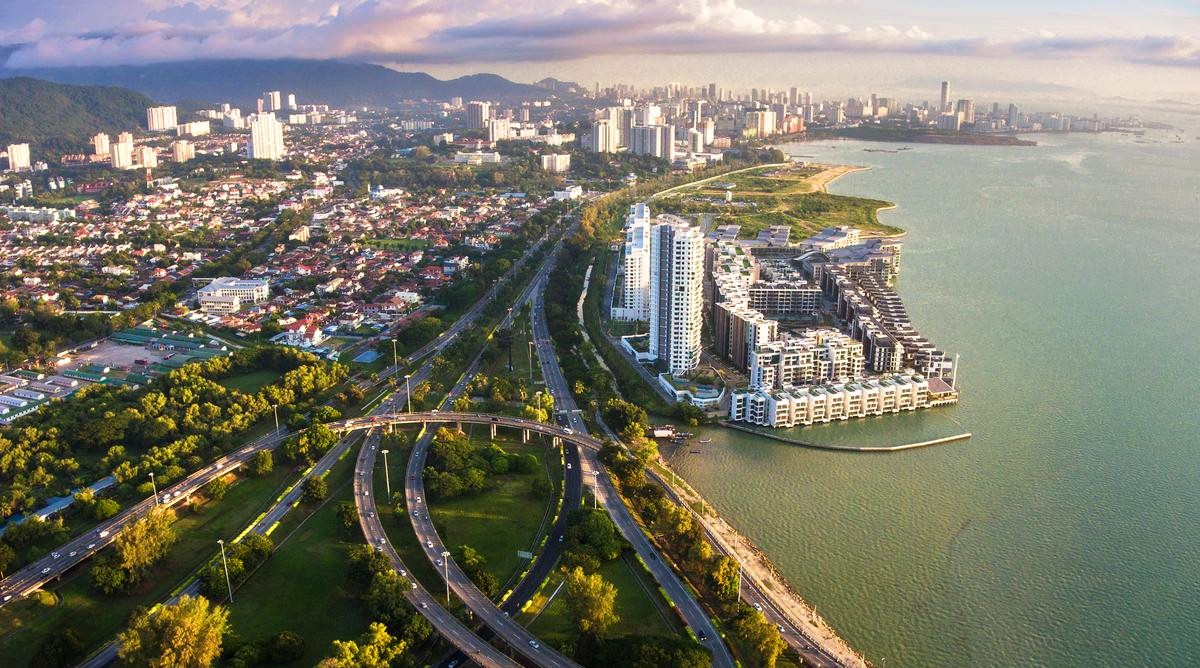
PENANG, MALAYSIAPenang may be a well-kept secret to much of the world, but here in Malaysia, it’s a place we all know and love. Long celebrated for its food, heritage, and easygoing charm, the island has quietly built a reputation as one of Southeast Asia’s most liveable retirement destinations.
Centred around George Town, a UNESCO World Heritage Site, Penang offers a rich tapestry of colonial architecture, vibrant street art, and a food scene that is widely regarded as among the best in Asia. Beyond the cultural appeal, retirees benefit from modern infrastructure, reliable utilities, and widespread English usage, which makes daily life refreshingly straightforward.
Accommodation remains relatively affordable, particularly when compared with Western markets, and ranges from heritage homes to contemporary high-rise condominiums with full facilities. Healthcare is another standout feature, with both public and private options offering very high standards at reasonable costs. Add to this a strong expatriate community and excellent regional connectivity via Penang International Airport, and it is easy to see why the island continues to attract long-stay residents.
HOI AN, VIETNAMThe ancient trading port of Hoi An presents a different, more tranquil appeal. Known for its lantern-lit streets, preserved architecture, and proximity to sandy beaches, Hoi An offers a lifestyle that feels both relaxed and culturally immersive.
Despite its relatively small size, the town has developed a growing expatriate community, supported by a wide range of cafés, restaurants, and wellness facilities. Living costs remain low, with affordable housing and inexpensive dining making it possible to enjoy a comfortable lifestyle on a modest budget.
Vietnam’s healthcare system has improved markedly in recent years, particularly in major cities. While some retirees may travel to regional hubs for specialised care, everyday medical needs are increasingly well served. For those seeking a slower pace of life with a strong sense of place, Hoi An is an appealing option.
DUMAGUETE, PHILIPPINESOften referred to as the “City of Gentle People,” Dumaguete has emerged as one of the Philippines’ most attractive retirement destinations. Located on Negros Island, the city combines coastal living with a distinctly laid-back atmosphere.
Dumaguete’s appeal lies in its simplicity. It is highly walkable, home to several universities, and offers a lively yet unhurried social scene. English is widely spoken, which eases the transition for foreign retirees, while the cost of living remains notably low by international standards.
Government efforts to position Dumaguete as a retirement hub have also led to improvements in healthcare and infrastructure. While it may lack the polish of larger cities, it compensates with warmth, affordability, and a strong sense of community – qualities that many retirees value highly.
CHIANG RAI, THAILANDIn northern Thailand, Chiang Rai offers a quieter alternative to the more widely known Chiang Mai. Surrounded by mountains, waterfalls, and natural hot springs, the city provides a scenic and relaxed setting for retirement.
With a smaller population and a slower pace of life, Chiang Rai appeals to those seeking tranquillity without complete isolation. The cost of living is modest, and daily expenses are generally low, allowing retirees to maintain a comfortable lifestyle without financial strain.
Cultural attractions are plentiful, most notably the striking White Temple, a contemporary reinterpretation of traditional Thai design. Combined with a cooler climate relative to much of Thailand, Chiang Rai offers a distinctive and appealing environment for long-term living.
PRACTICAL CONSIDERATIONSWhile the benefits of retiring in Asia are clear, careful planning remains essential. Visa requirements, residency rules, and healthcare access vary by country and should be thoroughly researched. Climate is another factor, with tropical regions bringing heat, humidity, and seasonal monsoons.
Language can also play a role, particularly in less urbanised areas, though many popular retirement destinations offer sufficient English support. Ultimately, the key is to match personal priorities with the realities of each location.
For those willing to embrace a change of scenery, Asia offers a compelling proposition – one where financial sensibility meets a rich and rewarding lifestyle.
If you’d like to learn more about retiring in Malaysia specifically, and the Malaysia My Second Home (MM2H) visa programme that makes it possible, visit www.mm2h.com. The parent company of this website is also an authorized MM2H agent and has been successfully helping people join the MM2H programme for more than two decades.
...


Read the fullstory
It's better on the More. News app
✅ It’s fast
✅ It’s easy to use
✅ It’s free