Thailand Tightens Visa-Free Entry Rules, but Most Malaysians Will See Little Change

19 hours ago
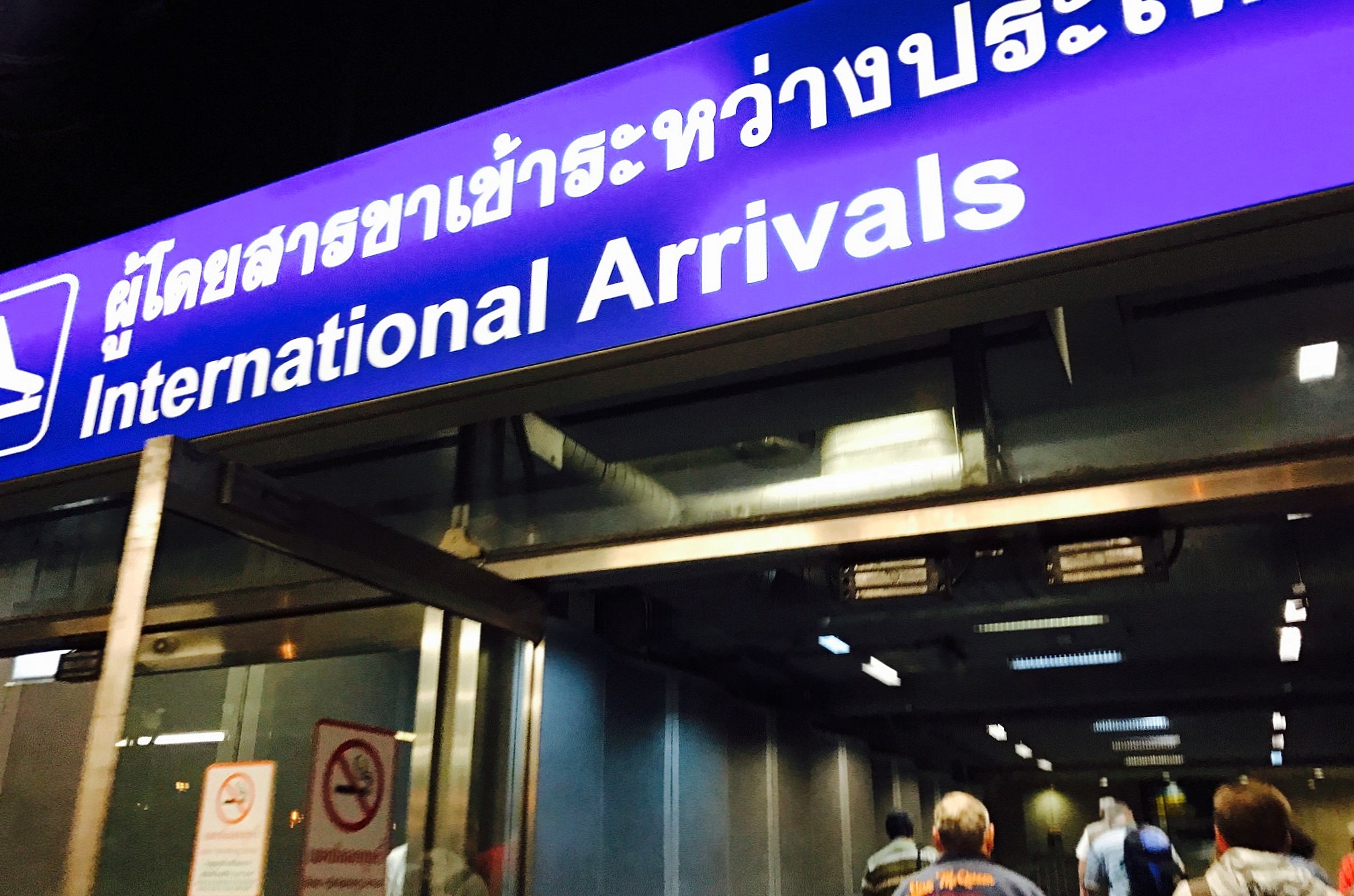
Thailand has approved sweeping changes to its visa-free entry programme, reducing the number of countries eligible for visa-free travel while cutting the maximum permitted stay from 60 days to 30 days for most qualifying visitors.
The changes, approved by Thailand’s Cabinet, are designed to address growing concerns that the previous system was being exploited by individuals engaging in activities beyond genuine tourism, including illegal employment and other violations of Thai law.
For most Malaysian readers, however, the practical impact is expected to be limited. Malaysia remains a member of ASEAN, whose citizens continue to enjoy separate reciprocal travel arrangements with Thailand. The revised rules are more likely to affect expatriates and other foreign nationals residing in Malaysia who have become accustomed to entering Thailand under the broader visa exemption scheme introduced in 2024.
The previous policy allowed passport holders from 93 countries and territories to enter Thailand without a visa for up to 60 days for tourism, short-term business, or certain other approved purposes. Under the revised framework, that list has been reduced to 59 countries, with the maximum visa-free stay shortened to 30 days.
According to Deputy Government Spokesperson Ploythalay Laksameesaengchan, the review was undertaken to ensure Thailand’s immigration policies better reflect current security and economic priorities while eliminating overlapping visa privileges.
Officials said investigations had found that the extended 60-day stay was increasingly being used for activities inconsistent with tourism, prompting concerns among immigration and national security agencies.
The revised framework follows what Thai authorities describe as the principle of “one country, one entitlement”, simplifying the system while closing potential loopholes.
Although the overall number of visa-exempt countries has been reduced, some nationalities will actually receive improved travel privileges.
India is among the biggest beneficiaries. Previously, Indian citizens entered Thailand under a temporary visa exemption before later reverting to Visa on Arrival arrangements. Under the new system, India will receive a dedicated 30-day visa-free entitlement.
Thailand said the decision reflects India’s growing importance as a tourism, trade, investment, and diplomatic partner. Officials also noted that Indian visitors typically stay only around seven days, making a 30-day visa-free period more than sufficient for the overwhelming majority of travellers.
Five other countries – Bulgaria, Croatia, Cyprus, Malta, and the Maldives – have also been added to the 30-day visa-free programme. The move means all 27 European Union member states now enjoy the same visa privileges when travelling to Thailand, something Bangkok hopes will further strengthen diplomatic relations and support ongoing discussions over future visa facilitation for Thai citizens travelling to Europe.
Meanwhile, visitors from Mauritius and the Seychelles will be granted visa-free entry for up to 15 days, while nationals of Azerbaijan, Belarus, and Serbia will now become eligible for Thailand’s Visa on Arrival programme.
Conversely, India’s Visa on Arrival entitlement will be withdrawn to avoid duplication, as Indian passport holders will instead travel under the new visa-free arrangement.
Following the revisions, Thailand will extend some form of visa privilege to a total of 65 countries and territories through a combination of visa-free entry and Visa on Arrival programmes.
Authorities stressed that travellers already in Thailand under the previous rules will not be affected. Anyone who entered the country before the new regulations take effect will be allowed to remain until the expiry of the permission originally granted at the time of entry.
The revised measures are scheduled to come into force 15 days after publication in Thailand’s Royal Gazette.
Alongside the visa changes, Thailand is also strengthening its Thailand Digital Arrival Card (TDAC) system. Officials say additional data sharing between government agencies will improve pre-arrival screening, assist immigration authorities in identifying higher-risk visitors, and enhance monitoring of foreign arrivals.
The latest move reflects a broader trend among popular tourism destinations seeking to balance visitor convenience with stronger immigration controls. Thailand remains one of Southeast Asia’s most visited countries, welcoming tens of millions of international visitors each year, but authorities have increasingly emphasised the need to distinguish genuine tourists from those seeking to exploit generous entry policies for long-term stays or unauthorised work.
For travellers departing from Malaysia, the key takeaway is straightforward: Malaysian passport holders should continue to enjoy existing travel arrangements, while expatriates and foreign residents should verify the latest visa requirements based on their nationality before booking their next Thai getaway.
...


Read the fullstory
It's better on the More. News app
✅ It’s fast
✅ It’s easy to use
✅ It’s free