Primary school children and help-seeking behaviour: Who exactly do they trust?

1 day ago
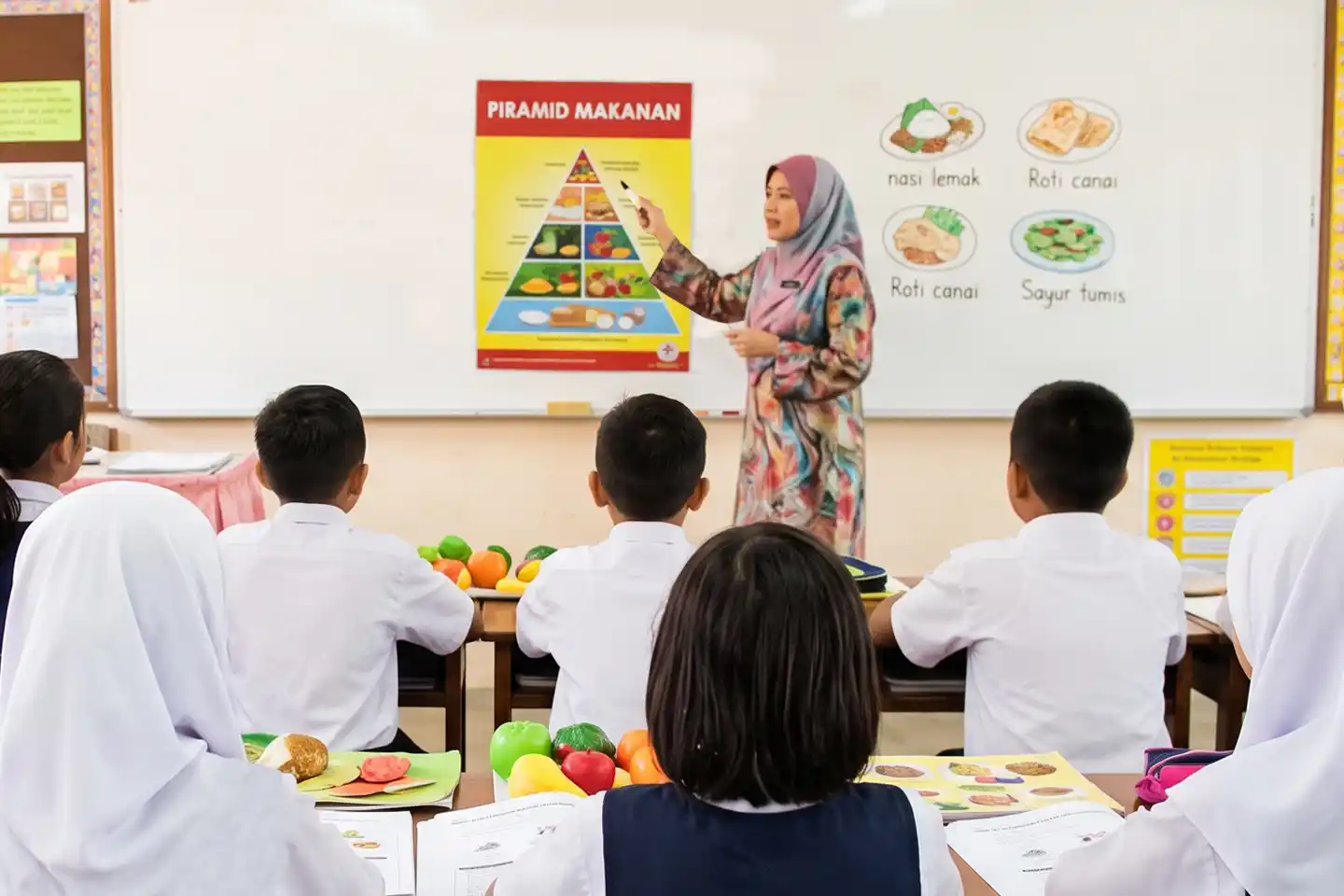
A child’s willingness to seek help may begin not with the ability to articulate a problem perfectly, but with the confidence that there is someone genuinely willing to listen.
Imagine a primary school child returning home from school looking unusually unhappy.
The child is less talkative than usual, has begun resisting school attendance and frequently complains of stomach aches in the morning.
At school, the child appears increasingly withdrawn and avoids interacting with peers.
Such behavioural changes may reflect difficulties that are not immediately recognised by the adults around them.
This raises an important question: why might a child remain silent when potential sources of help are readily available?
The situation highlights the importance of understanding help-seeking behaviour among primary school children.
Help-seeking behaviour refers to the process through which an individual recognises a need for assistance, identifies an appropriate source of support and takes action to obtain it.
For children, potential sources of support may include parents, teachers, school counsellors, peers and other trusted adults. The ability to seek appropriate assistance is particularly important during childhood, when emotional awareness, communication skills and social competencies are still developing.
Primary school children encounter various challenges that may appear relatively minor from an adult perspective but carry considerable emotional significance for the child.
Teasing or bullying, difficulties forming friendships, academic struggles, conflicts with peers or teachers and changes within the family may contribute to emotional distress.
While some children may feel comfortable discussing these experiences, others may internalise their difficulties and refrain from seeking assistance.
A child may experience fear, sadness, frustration or distress without having the vocabulary or confidence to explain what they are feeling. Some may also perceive their difficulties as too insignificant to warrant adult attention.
Others may fear being reprimanded, disbelieved, judged or labelled a “tattletale” if they disclose their concerns.
Such perceptions can become significant barriers to help-seeking, discouraging children from approaching adults even when support is needed.
Within the primary school setting, teachers are among the adults who interact most consistently with children. Although their primary responsibility is teaching and learning, teachers can also serve as important sources of emotional and social support.
Changes in children’s behaviour therefore warrant appropriate attention.
A child who becomes increasingly withdrawn, frequently isolates themselves, loses interest in school activities or demonstrates noticeable changes in academic performance may be experiencing difficulties that require additional support.
Importantly, such changes should not automatically be interpreted as evidence of a psychological disorder.
Rather, they should be viewed as potential indicators that warrant observation and appropriate follow-up.
Peers can also play an important role in children’s help-seeking processes. Primary school children may initially feel more comfortable disclosing concerns to friends because they perceive their peers as more likely to understand their experiences.
Peer-support initiatives, including Pembimbing Rakan Sebaya (PRS) and programmes such as Bongsu, may therefore contribute to a school environment in which children feel more comfortable expressing their concerns.
Peers can provide an initial source of emotional support, encourage children to communicate their difficulties and help them recognise that they do not have to manage problems alone.
Nevertheless, the role of peer support must be clearly defined.
PRS members and other peer supporters are not substitutes for trained counsellors and should not be expected to assess or manage serious psychological difficulties.
Their role is more appropriately understood as supportive and facilitative – particularly in helping children recognise available sources of assistance and connecting them with trusted adults or appropriate professional services.
When concerns involve bullying, abuse, safety issues, significant emotional distress or persistent difficulties, children should be supported in seeking assistance from teachers, school counsellors, parents or other relevant professionals and authorities.
Schools also have an important responsibility to ensure that guidance and counselling services are perceived as accessible and supportive resources, rather than services intended exclusively for students with disciplinary problems or severe psychological difficulties.
Early education in emotional awareness and help-seeking skills can contribute to this process.
Children can gradually develop the ability to identify and communicate their emotions, recognise situations in which assistance may be needed and identify trusted individuals whom they can approach for support.
Developing these competencies from an early age may help normalise help-seeking as an appropriate and constructive response to difficulties.
The family environment is equally important in developing children’s confidence to seek help.
Parents can create opportunities for communication through simple, everyday conversations rather than relying exclusively on direct questions about problems or emotional difficulties.
Questions such as “What made you happiest today?” or “Was there anything at school that made you feel uncomfortable?” can create natural opportunities for children to share their experiences.
More importantly, parents should adopt an attentive and non-judgemental approach by listening without immediately blaming, criticising or attempting to resolve the problem on the child’s behalf.
Ultimately, we cannot assume that every child who requires support will explicitly say, “I need help.”
Children communicate distress in different ways. Some may demonstrate changes in behaviour, others may become increasingly withdrawn, while some may remain silent altogether.
This places an important responsibility on adults, schools and families to create environments in which children understand that seeking help is acceptable and that their concerns will be treated with care and respect.
A child’s willingness to seek help may therefore begin not with the ability to articulate a problem perfectly, but with the confidence that there is someone genuinely willing to listen, understand and provide appropriate support.
Dr Syarifah Maisarah Syed Alwi is a senior lecturer at the Faculty of Education, Universiti Malaya, and a Registered Clinical Psychologist.
...


Read the fullstory
It's better on the More. News app
✅ It’s fast
✅ It’s easy to use
✅ It’s free