Retired EV batteries repurposed to bring electricity to underserved communities - Nga

7 hours ago
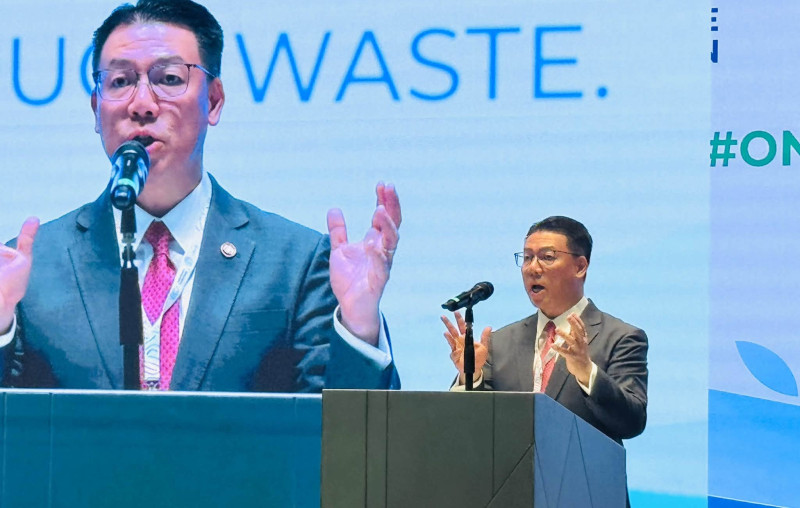
MALAYSIA has proposed converting retired electric vehicle (EV) batteries into energy storage systems to bring electricity to rural communities, Orang Asli settlements and healthcare facilities, extending the benefits of the circular economy to underserved populations.
Housing and Local Government Minister Nga Kor Ming said the initiative, dubbed the Circular Equity Dividend, was aimed at ensuring communities with limited access to basic infrastructure also benefited from the country's transition towards a more sustainable economy.
He said the proposal was one of three measures put forward by Malaysia to accelerate circular economy practices globally, particularly in urban development, while advancing the zero-waste agenda.
"The initiative aims to ensure that the benefits of the circular economy are distributed more equitably and inclusively, particularly among communities with limited access to basic facilities and services," he said.
Nga was delivering a keynote address at the Malaysia Pavilion TED Talk session, themed "Closing the Loop: Malaysia's Journey Towards Zero Waste", in conjunction with the 31st United Nations Climate Change Conference (COP31) in Antalya, Türkiye.
The second proposal seeks to transform cities into "Material Banks" through mandatory Digital Material Passports, enabling the composition, lifecycle and reuse potential of materials in industrial products and infrastructure to be tracked.
Nga said the system would facilitate the recovery of valuable resources, including lithium and copper, for reuse rather than disposal.
The third proposal involves replacing conventional landfill disposal fee systems with Performance-Based Circular Grants and Local Authority Transition Bonds.
Under the proposed mechanism, local authorities would receive financial incentives based on measurable environmental outcomes, including higher recycling rates, reduced landfill waste and lower methane emissions.
Nga said Malaysia's experience in implementing the "Traffic Light System" across all 156 local authorities demonstrated how performance-based financing could encourage investment in recycling facilities, decentralised biodigesters, composting and other sustainable waste management solutions.
He said the Circular Economy Blueprint for Solid Waste 2025-2035 had set national targets of achieving a 40 per cent recycling rate and diverting 53 per cent of waste from landfills by 2035.
The targets would be supported by initiatives such as Extended Producer Responsibility (EPR), Separation at Source (SAS) and Zero Waste District pilot projects in Kuala Lumpur and Penang.
Malaysia generated 14.5 million tonnes of municipal solid waste in 2024, with food waste accounting for 44.5 per cent and plastics 13.2 per cent. More than RM2 billion was spent annually on waste management, he said.
Nga, who is also president of the UN-Habitat Assembly, is scheduled to participate in two panel discussions on climate-resilient cities and the role of waste-to-energy solutions in strengthening energy security.
He is also scheduled to hold bilateral meetings with foreign counterparts and strategic partners to strengthen cooperation in sustainable urban development and the circular economy.
COP31, held from Nov 9 to 20, brings together world leaders, ministers, government officials, international organisations, civil society groups and youth representatives to strengthen global cooperation on climate action. - November 11, 2026
...


Read the fullstory
It's better on the More. News app
✅ It’s fast
✅ It’s easy to use
✅ It’s free