Why the Iran war marks a turning point for Gulf-Asia trade

1 hour ago
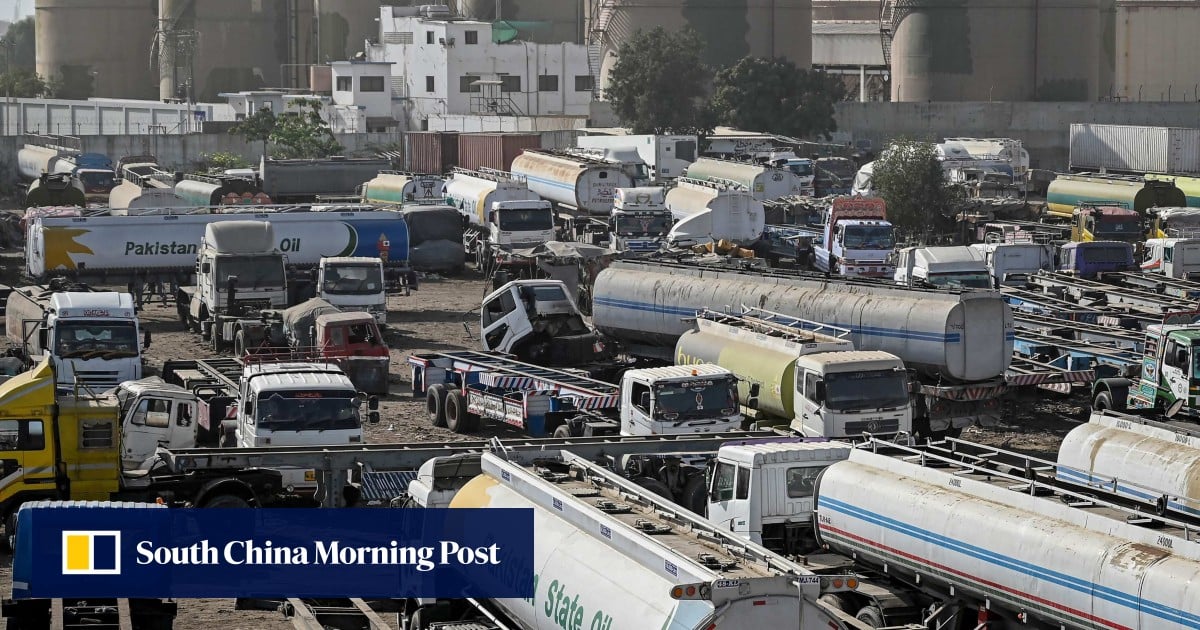
Since the Iran war began late last month, it has threatened shipping across the Middle East’s two most important maritime chokepoints – the Strait of Hormuz and the Bab el-Mandeb – through which much of Asia’s energy imports and manufactured exports flow.
For Gulf states and their major trading partners in Asia, the conflict is forcing a hard question: what, if anything, can protect supply chains if US security guarantees can no longer be taken for granted?
Analysts say the usual answers – stockpiles, alternative transport corridors or new security arrangements – offer only limited protection against the kind of disruption now unfolding, which could persist even after the war ends.
The vulnerability is not new. Since the “tanker war” turned the Persian Gulf into a battlefield during the Iran-Iraq war in the 1980s, it has been clear to governments in the Gulf and Asia that shared supply chains are exposed to disruption at the Strait of Hormuz, which links the Gulf to the Indian Ocean, and the Bab el-Mandeb, which connects the Indian Ocean to the Mediterranean through the Suez Canal.
Over the next four decades, as two-way trade boomed and economic interdependence deepened, repeated conflicts in the Middle East reinforced the need for Gulf states and Asian economies to work together to reduce that risk.
Little, however, was done. Instead, the prevailing assumption was that the US, through its vast network of military bases across the region, would prevent a belligerent nation such as Iran from imposing a stranglehold on trade passing through Hormuz.
...


Read the fullstory
It's better on the More. News app
✅ It’s fast
✅ It’s easy to use
✅ It’s free