Malaysia's Fuel Prices Surge Again and Expats Feel the Squeeze

1 hour ago
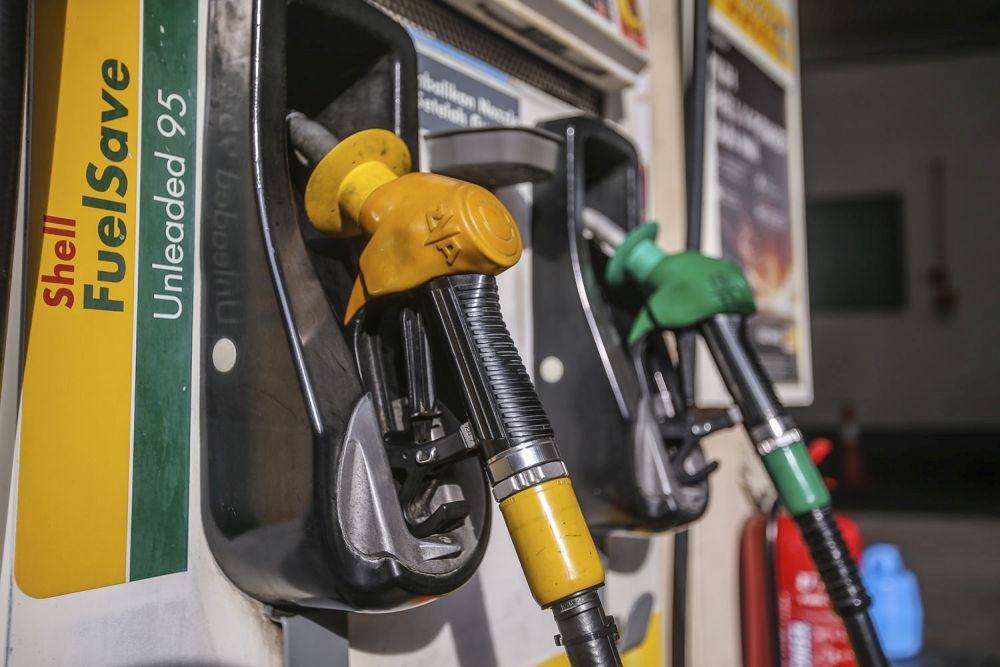
Malaysia’s fuel price adjustments for the week of April 9 to April 15 have delivered yet another jolt to consumers, with unsubsidized petrol and diesel costs climbing sharply under the government’s Automatic Pricing Mechanism (APM). While subsidies continue to shield certain groups, a segment of the population – including many working expatriates on local salary packages – is once again bearing the full brunt of rising global energy prices.
According to the Ministry of Finance, the unsubsidized price of RON95 petrol has risen to RM4.27 per litre, up 40 sen from RM3.87. RON97 has increased by the same margin to RM5.35 per litre, while diesel in Peninsular Malaysia has seen an even steeper jump, climbing 70 sen to RM6.72 per litre.
These figures reflect global market realities, where oil prices have surged amid ongoing conflict affecting key shipping routes, including the Strait of Hormuz. For Malaysia, which still depends significantly on imported fuel and refined petroleum products, such increases are filtering through with increasing frequency and intensity.
SUBSIDIES FOR ELIGIBLE MALAYSIANS HOLD – FOR NOWUnder the government’s “targeted” subsidy framework, RON95 petrol remains heavily subsidized for eligible Malaysians under the Budi95 programme, holding at an increasingly ridiculous RM1.99 per litre. Similarly, diesel prices in Sabah, Sarawak, and Labuan are maintained at RM2.15 per litre, with additional controls in place through the Sistem Kawalan Petrol Bersubsidi (SKPS) and Sistem Kawalan Diesel Bersubsidi (SKDS).
At face value, these measures provide meaningful relief for lower-income groups and key sectors. However, the widening gap between subsidized and market prices is becoming increasingly stark. With unsubsidized RON95 now at RM4.27 per litre, the government is effectively absorbing more than half the actual cost – a level of support that raises serious questions about long-term (or even medium-term) sustainability.
This is not a marginal difference. It is a structural imbalance that, if prolonged, places a significant burden on public finances, and does nothing to encourage motorists to conserve fuel or adopt measures that would ease the bill for subsidies. Despite public statements clearly intended to mollify the public, analysts throughout Malaysia seem to agree that the market’s current trajectory suggests that maintaining fuel subsidies at such levels may not be viable indefinitely.
EXPATS CAUGHT IN THE MIDDLEFor expatriates working in Malaysia – particularly those on local pay packages rather than international assignments – the impact is immediate and tangible. Unlike many subsidized groups, these individuals typically pay full market rates for fuel while also contributing meaningfully to the local tax base.
This creates a growing sense of disparity. Many of these resident expats are long-term contributors to the Malaysian economy, yet they are excluded from subsidy frameworks designed to cushion price shocks. As fuel costs climb week after week, commuting expenses and overall cost of living are rising in parallel, with little in the way of offsetting support.
Though there is a common misperception that all expats in Malaysia are paid exorbitant salaries, that is mostly no longer the case. The days of outsize expat compensation packages – complete with housing allowances, personal drivers, and paid school fees for kids – are largely in the past. Only top senior management with large multinationals typically command such lavish perks nowadays. Many expats work on more locally aligned pay packages, paying significant taxes and contributing to both the economic and social fabric of Malaysia. However, increasingly at every turn, they are excluded from any benefit to be gained from their contributions. In some respects, it’s understandable. But as the gaps grow wider, and the exclusionary efforts become more pervasive, it gets harder to ignore.
Of course, it is not just expatriates feeling the pressure. Even some middle-income Malaysians who fall outside subsidy eligibility are facing similar challenges, caught between rising market prices and limited access to relief mechanisms.
TEMPORARY MEASURES, LONGER-TERM QUESTIONSThe government has introduced several interim measures to ease the burden. The monthly eligibility cap for the Budi95 programme has been set at 200 litres since April 1, described as a temporary adjustment pending stabilization of global supply conditions.
In East Malaysia, diesel purchase limits remain in place, with caps ranging from 50 to 150 litres per transaction depending on vehicle type. Meanwhile, additional cash assistance under the Budi Diesel programme continues, with RM100 in extra support for April, bringing total aid to RM300 for eligible recipients under Budi Individu and Budi Agri-Komoditi.
These steps provide short-term relief, but they do little to address the underlying issue – namely, the growing disconnect between subsidized and actual fuel prices. As global energy markets remain volatile, the likelihood of sustained high prices cannot be discounted, and there are growing calls from economists and analysts for the Malaysian government to be more clear-eyed with regard to the long-term damage these massive subsidy bills can cause, no matter how politically popular maintaining them may be.
Meanwhile, for expats and other full-paying consumers, the message is already clear – the era of relatively predictable and stable fuel costs is over, at least for the time being. And unless broader structural changes are introduced, these groups are likely to remain among those most exposed to the volatility ahead.
...


Read the fullstory
It's better on the More. News app
✅ It’s fast
✅ It’s easy to use
✅ It’s free