How China’s home-grown WS-10 engine helped make the country a modern air power

1 hour ago
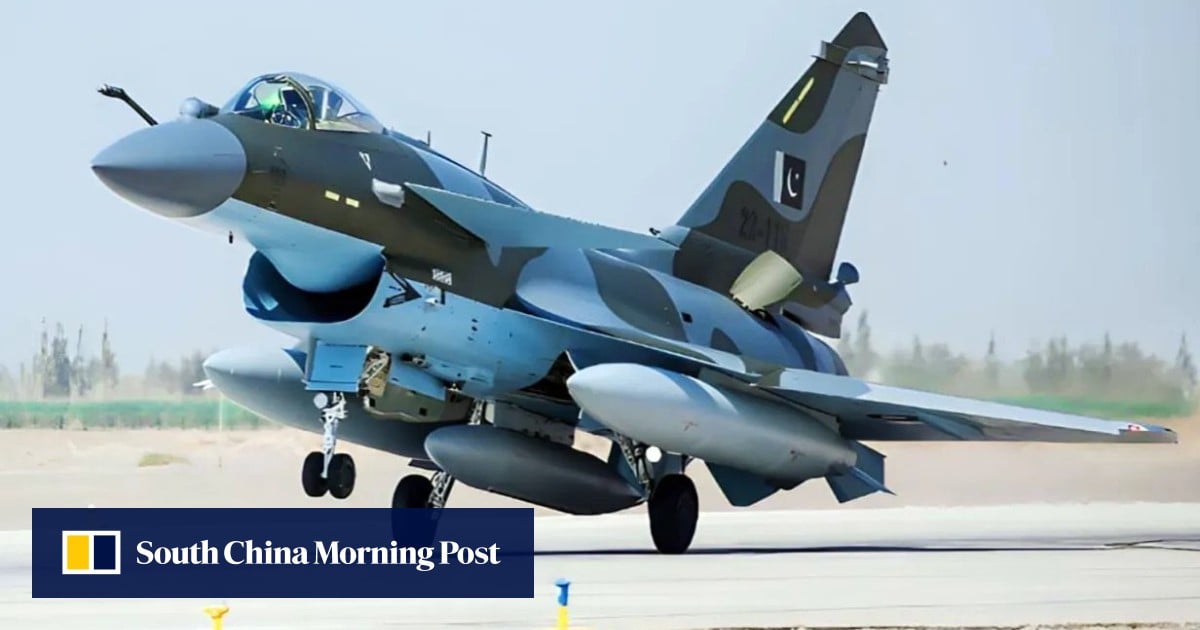
The WS-10 turbofan engine was code-named Taihang after the famous Chinese mountain range.
The Taihang engine family serves as the backbone of the PLA’s major active combat fighters, powering fourth-generation jets such as the J-10C, the J-11B, the air force’s J-16 and the navy’s carrier-based J-15. It has also played a vital role for variants of the fifth-generation J-20 stealth fighter.
In addition, the WS-10 drives China’s export-oriented jets, including the J-10CE.
A historic milestone for China’s aviation industry, the WS-10 series represented a major success in self-sufficiency, laying the groundwork for phasing out dependence on Russian engine imports for its frontline fighter fleet.
Before the maturation of the Taihang engine, production of China’s modern fighters – such as the J-11, J-16 and even the early J-20 – was entirely dependent upon Russia’s AL-31 production capacity and export licensing, creating a significant and dangerous supply-chain bottleneck.
The maturation of the WS-10 enables unconstrained, mass-scale production of various types of advanced fourth and fifth-generation combat aircraft.
...


Read the fullstory
It's better on the More. News app
✅ It’s fast
✅ It’s easy to use
✅ It’s free