Beyond the Hotspots: Hidden Gems vs Overtourism in Malaysia's Biggest Travel Year Yet

1 hour ago
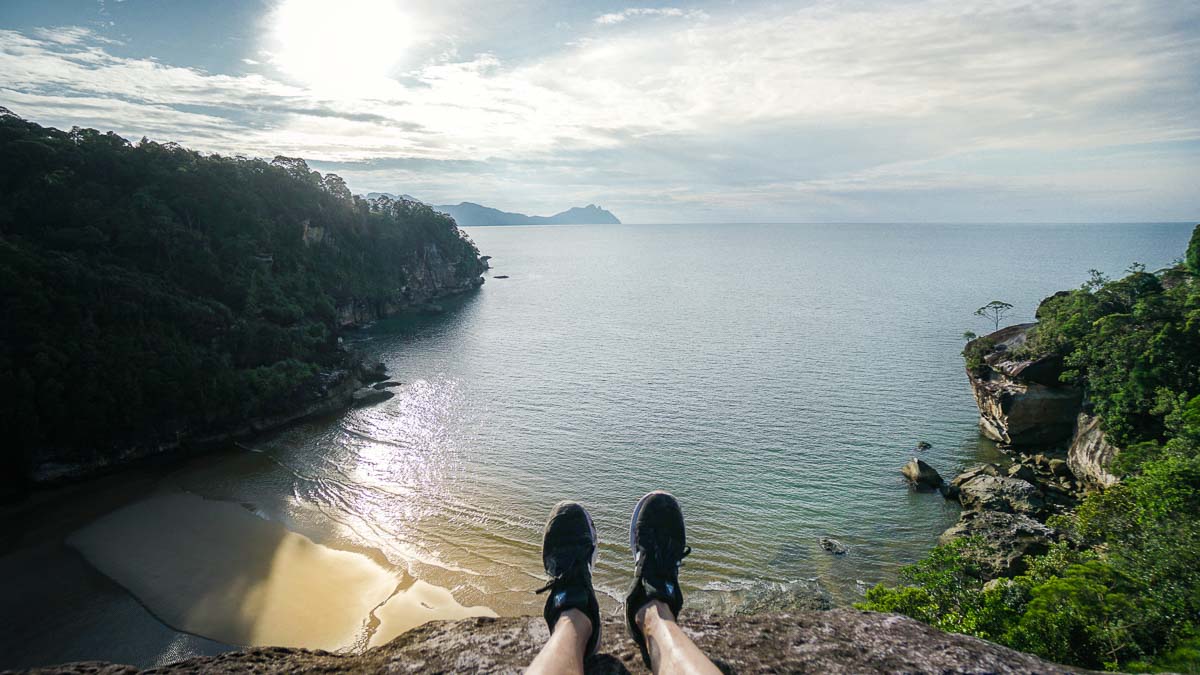
Malaysia appears to be having a moment.
As Visit Malaysia 2026 gathers momentum, the country’s tourism industry is enjoying one of its strongest periods on record. More than 10.6 million international visitors arrived in Malaysia during the first quarter of 2026 alone, marking the highest-ever total for the period and underscoring the country’s growing appeal on the global travel stage.
That’s undoubtedly good news for the economy, tourism operators, hotels, restaurants, and countless small businesses. Yet success brings its own challenges, especially when it comes to tourism.
Visitors arriving at some of Malaysia’s most famous attractions are increasingly encountering a different side of travel: packed streets, long queues, crowded viewpoints, and traffic congestion. It’s not quite on par with the throngs of people in Europe’s hotspots or even parts of Bali, but overtourism is still a modest concern right here in Malaysia. In George Town, tourists often line up for photos with iconic street art murals. During peak holiday periods, Langkawi’s beaches and attractions can become noticeably busier. Meanwhile, anyone who has tackled the winding roads to Cameron Highlands on a long weekend knows that the journey can sometimes take far longer than expected. Ditto for the road to Batu Ferringhi in Penang.
This has sparked an interesting question for travellers in 2026: Is it better to visit Malaysia’s famous tourist hotspots, or is it time to seek out some of the country’s lesser-known treasures?
THE RISE OF THE ‘SECOND DESTINATION’For years, travellers followed a fairly predictable Malaysian itinerary: Kuala Lumpur, Penang, Langkawi, perhaps Melaka, and then home. These destinations remain popular for good reason. They offer solid infrastructure, iconic attractions, and a wealth of accommodation options.
But travel habits are changing, and probably not a moment too soon.
Increasingly, both international and domestic travellers are embracing the concept of slow, purposeful travel. Rather than racing between landmarks and collecting social media photos, some visitors are looking for more authentic experiences, meaningful local connections, and destinations where they can explore at a more relaxed pace. To each their own, we say, but we can’t help but think this really is a better way to approach and embrace travel.
This shift is also being driven by what some in the travel industry call ‘destination fatigue.’ When every traveller seems to be visiting the same handful of places, chasing the same over-Instagrammed spot, ticking the same tourist boxes… the experience can begin to feel far less unique. Hidden gems offer something increasingly valuable in today’s social media-driven travel environment: a sense of personal discovery.
Of course, overtourism is not inherently bad. Popular destinations often become popular because they genuinely deserve the attention. The challenge is finding the right balance between enjoying those beloved, well-known attractions and exploring places that remain far more under the radar.
HOTSPOTS AND THEIR HIDDEN ALTERNATIVESTake Cameron Highlands, for example. The cool climate, tea plantations, and strawberry farms continue to attract huge numbers of visitors. The downside is that holiday weekends often bring heavy traffic and crowded attractions. Another issue is the so-called ‘back side’ of Cameron Highlands, accessed from the newer of the two main routes to the area. Honestly speaking, this one is not related to any tourism travails, but it impacts the visitor experience nevertheless. This part of the Highlands is increasingly buried under a bewildering maze of sprawling greenhouses, irrigation systems, and the transportation infrastructure to get all the produce from the ‘farms’ to the grocery stores. It’s what can best be described as ‘industrial agriculture.’ It’s not pleasant, it’s not attractive, and it’s certainly not a tourist draw.
Travellers seeking a similar escape might instead consider Fraser’s Hill. Nestled amid lush forests, the historic hill station offers cooler temperatures, colonial-era charm, excellent birdwatching, and scenic walking trails, all without the same volume of visitors. And a great stop on the way to Fraser’s Hill is the charming small town of Kuala Kubu Bahru, which offers serious appeal to visitors who like local restaurants, clean streets and parks, and some of the most extensive street art to be found anywhere in Malaysia.
Penang and Melaka face a similar dilemma. Both are celebrated for their UNESCO-inscribed heritage streets, vibrant food scenes, and cultural attractions. Yet their popularity means that certain areas can feel crowded, particularly during peak travel periods.
For those seeking a slower pace, Taiping in Perak offers a compelling alternative, and it’s one of our very favourite ‘quiet’ destinations. Often overlooked by international visitors, the town combines colonial architecture, exceptional food, peaceful lake gardens, and one of Malaysia’s most relaxed, laid-back atmospheres. (The more well-known city of Ipoh can easily be incorporated into any travels to Taiping, as well.)
Likewise, Kuala Terengganu provides a fascinating blend of history, traditional Malay culture, waterfront charm, and excellent coastal cuisine, all without the constant flow of tour groups.
Then there is Langkawi. The island remains one of Malaysia’s tourism success stories, offering beautiful beaches, duty-free shopping, and some of the country’s most extensive resort options. However, travellers craving a quieter coastal experience may find themselves drawn elsewhere.
Pulau Kapas, off the coast of Terengganu, offers crystal-clear waters, laid-back beachfront accommodation, and a pace of life that feels refreshingly removed from the modern tourism machine. Pulau Tioman, further south, is a lush tropical island of incredible beauty, seemingly locked in time. A few resorts and guesthouses (catering to a range of budgets) are peppered around the coast, but for the most part, Tioman is marvellously undeveloped. The forests slopes of the island’s hills are largely untouched, while the waters around the island are crystal-clear and well-known for good diving and snorkelling pursuits.
Meanwhile. for adventurous travellers willing to venture farther, Sarawak’s remote highland communities (like the Kelabit Highlands) and eco-tourism experiences provide a completely different perspective on Malaysia’s natural heritage.
THE DOUBLE-EDGED SWORD OF DISCOVERYThe growing interest in lesser-known destinations presents significant opportunities.
When visitors spread out across the country, tourism revenue reaches communities that might otherwise receive little benefit from the industry. Small guesthouses, family-run restaurants, local guides, craft producers, and homestay operators all stand to gain. Tourism becomes less concentrated and more inclusive.
At the same time, today’s hidden gem can quickly become tomorrow’s overcrowded hotspot. This has happened time and time again around the world. When we visited Bali back in 2003, nobody was going to nearby Nusa Penida. But then, a few travellers posted photos on social media, and in no time, a once-lonely beachhead on a very overlooked little island off Bali’s southeast coast became overwhelmed with visitors all looking to replicate that now-famous Instagram photo, often waiting in long queues just to have a few fleeting moments at the overlook point to get the coveted shot. Is that meaningful travel? Many seem to be looking in another direction now.
The challenge for emerging destinations is to learn from the experiences of more established tourism centres. Sustainable growth requires careful planning, responsible development, and meaningful involvement from local communities. Community-led tourism initiatives, environmental protections, and sensible visitor management can help preserve the very qualities that make these places attractive in the first place.
Fortunately, many of Malaysia’s smaller destinations appear increasingly aware of these risks. Across the country, there is growing recognition that tourism success should be measured not only by visitor numbers, but also by long-term sustainability and quality of experience.
As Visit Malaysia 2026 continues to attract travellers from around the world, perhaps the smartest approach is not to choose between famous destinations and hidden gems, but to embrace both.
See the iconic landmarks. Wander the famous streets. Enjoy the attractions that made Malaysia a tourism powerhouse. But we also think visitors should leave room in the itinerary for a few unexpected detours. Oftentimes, it is those quieter places – the towns not featured on every travel poster and the beaches without crowds of photographers – that become the most memorable part of the journey.
And if you’ve discovered one of Malaysia’s best-kept secrets, sure, it might be the time to share it. Or perhaps, for just a little while longer, keep it to yourself.
...


Read the fullstory
It's better on the More. News app
✅ It’s fast
✅ It’s easy to use
✅ It’s free