Theme park safety must become a culture, not just a priority, says safety advocate

1 hour ago
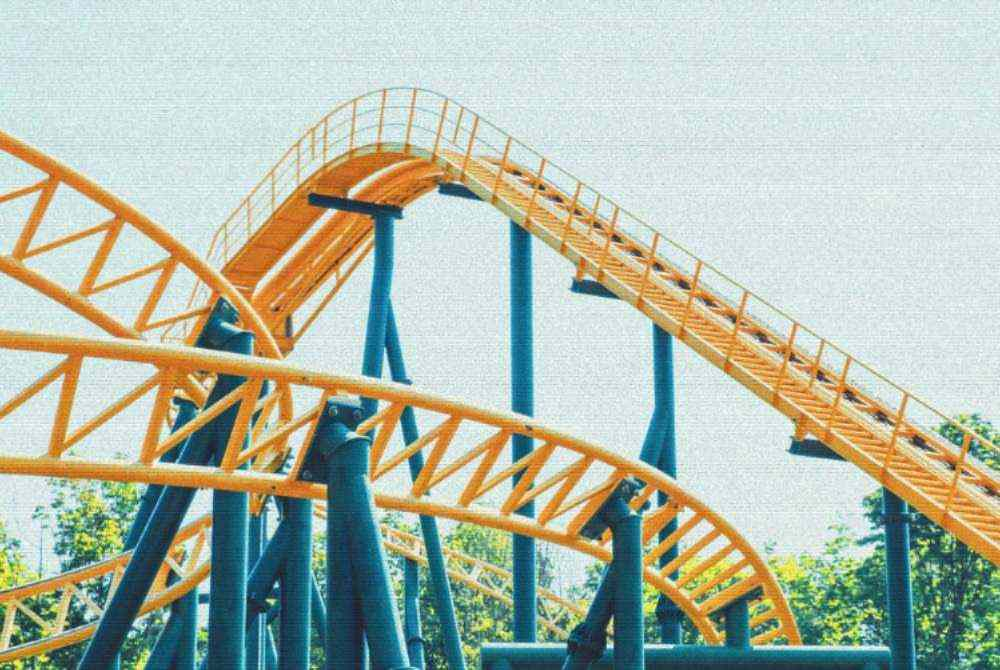
SHAH ALAM – Theme parks are meant to be places where families can relax and create memories, but safety must be treated as a shared culture rather than simply another item on an operator’s checklist, says Alliance for a Safe Community.
Its chairman Tan Sri Lee Lam Thye said theme parks attract large crowds, particularly families with children, making it essential for visitors to have confidence that every attraction and facility has been properly inspected and maintained.
He said safety should involve everyone from owners and operators to maintenance teams, contractors and relevant authorities, as any failure along the chain could have serious consequences.
“Safety must be a core value, not just a priority. It needs to become part of the culture.
“When safety becomes a culture, everyone involved, the owner, operator, maintenance teams and other stakeholders, will understand that they share responsibility. You cannot depend on just one person. Everyone must play their part and no one should ever allow anything to compromise safety," he told Sinar Daily.
Lee said owners remained responsible for ensuring their facilities were safe, while operators entrusted with managing theme parks must make sure safety requirements were followed throughout daily operations.
He said theme park machinery and equipment were also subject to the Occupational Safety and Health Act 1994, with regular safety audits needed to ensure attractions remained safe for public use.
“In my view, a safety audit should be conducted regularly, perhaps every six months, to ensure that all areas of the facility remain safe,” he said.
Lee also stressed the importance of having competent personnel handling the installation, inspection and maintenance of amusement rides, warning that a lack of proper qualifications or expertise could expose visitors to unnecessary risks.
Lee, however, said safety concerns should not be limited to large, established theme parks, pointing to temporary fun fairs and amusement parks that frequently operate for shorter periods before moving to another location.
He said local authorities should ensure such operators had qualified personnel and complied with the necessary safety requirements before being allowed to open.
“What concerns me are the smaller temporary fun fairs and amusement parks. Some of these operate for only a few months before moving to another location. The local authorities need to ensure that they have the right people with the necessary safety knowledge and qualifications to inspect these facilities before allowing them to operate,” he said.
Lee said previous accidents showed that safety failures could have severe consequences, noting that there had been cases involving people falling from amusement rides and fatalities.
He added such incidents highlighted why authorities and operators should not wait for an accident before reviewing safety measures.
“If everything is fine, there may be no issue. But when an accident happens, it is already too late,” he said.
He said members of the public should not be expected to determine whether a theme park or amusement ride had passed all necessary safety inspections before using it, as most visitors would not know which authority to approach or how to access such information.
“The responsibility should lie with the authorities and the operators. The authority that gives the approval must ensure that the operator has fulfilled all the necessary safety requirements before allowing the facility to open to the public,” he said.
Lee also stressed that paying customers deserved assurance that the facilities they used were safe, saying operators could not take risks with visitors’ lives.
“When people visit these parks, they also pay an entrance fee. In return, their safety must be assured,” he said.
He said greater accountability was also needed across the entire chain, including those responsible for maintenance, installation and construction, rather than placing blame on a single party after an accident occurred.
Lee called for stronger cooperation between the government, authorities, owners and operators, saying safety should become an everyday practice rather than something considered only when an incident occurs.
“Most importantly, safety should not be treated as just a priority. We need to build a culture of safety so that everyone understands their respective responsibilities and works together to protect all visitors to these recreational facilities,” he said.
Safety at amusement parks is back in the spotlight following a recent incident at Sunway Lagoon, with a past fun fair accident in Puncak Alam also raising concerns over ride safety and regulatory compliance.
Sunway Theme Parks said it was cooperating fully with the authorities following an incident involving an attraction at Sunway Lagoon on Aug 22, which affected 10 guests. The company said on Aug 25 that the safety and well-being of its guests remained its highest priority.
Subang Jaya District Assistant Commissioner of Police Wan Azlan Wan Mamat was reported to have said that 10 people sustained minor injuries in the incident, which occurred at about 9pm, with a police report lodged the following day.
In December 2022, two women and an 11-year-old child were injured after falling from the “Sotong Ride” at a fun fair in Eco Grandeur, Puncak Alam. Police later investigated the fun fair for allegedly operating without a licence under the Selangor State Entertainment and Places of Entertainment Enactment 1995.
The case prompted the Selangor government to order an investigation and urged local authorities to review safety procedures and approval processes.
...


Read the fullstory
It's better on the More. News app
✅ It’s fast
✅ It’s easy to use
✅ It’s free