Another Fuel Price Surge Raises Questions Over Malaysia's Long-Term Subsidy Strategy

3 天前
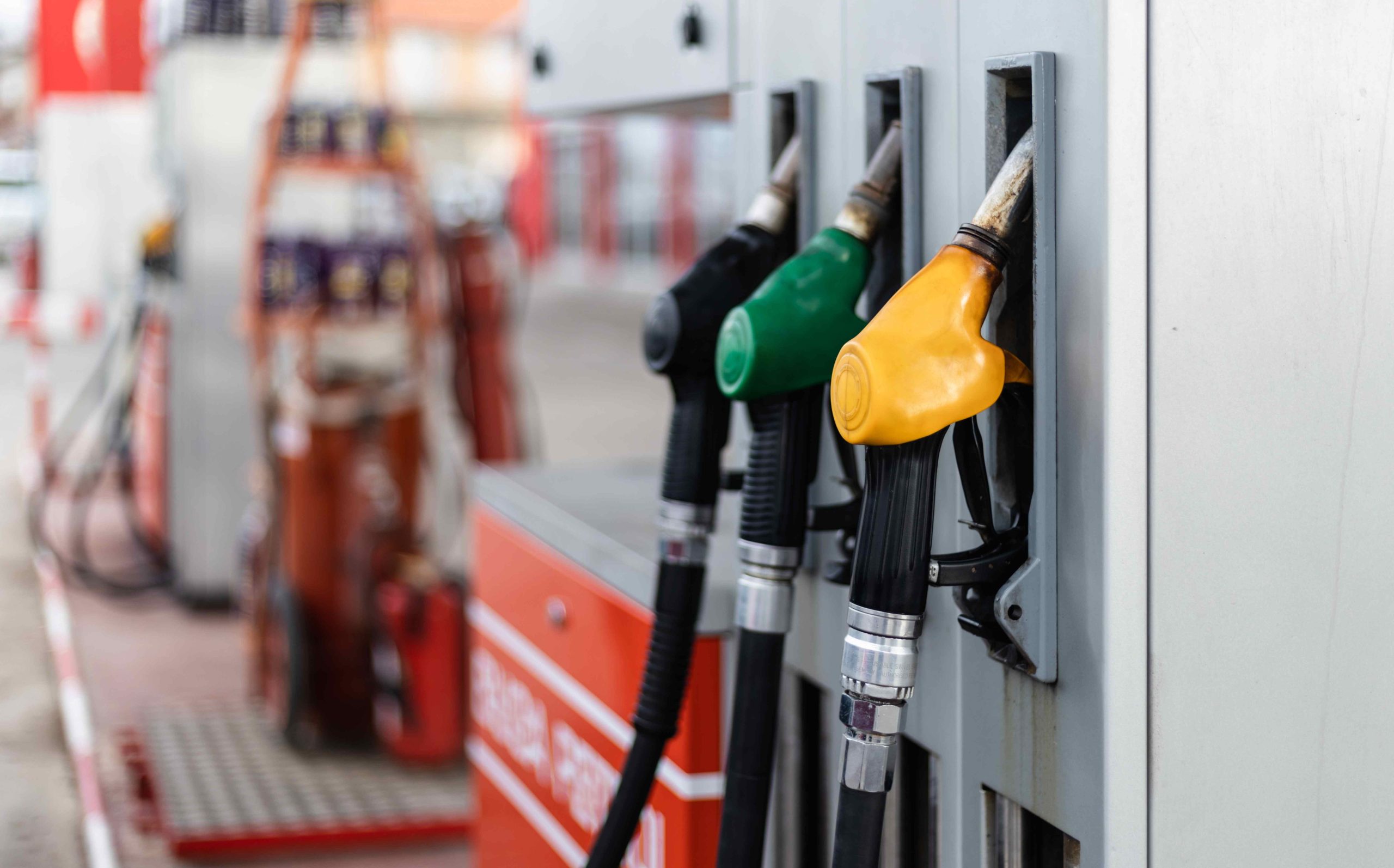
Fuel prices in Peninsular Malaysia have risen sharply for a second consecutive week, reflecting mounting pressure from global oil markets unsettled by the ongoing conflict in the Middle East. Effective through March 25, RON97 petrol has increased by 70 sen to RM4.55 per litre, while diesel has climbed another 80 sen to a record RM4.72 per litre.
These latest adjustments follow similarly steep hikes just days earlier, bringing the total increase for diesel in the Peninsula to RM1.60 per litre within a two-week span, a near-50% spike. The scale and speed of the increases underscore the volatility currently shaping global energy markets, where supply disruptions and uncertainty have pushed prices higher in a short period of time.
Against this backdrop, the government has opted to maintain the subsidized RON95 petrol price at RM1.99 per litre (for eligible Malaysians only) under the BUDI95 programme, while unsubsidized RON95 remains at RM3.27 per litre. As a result of a decision made by the government, resident expats are excluded from fuel subsidies under the new scheme, despite paying taxes in Malaysia, and so must bear the now-significant cost difference.
Meanwhile, diesel prices in Sabah, Sarawak, and Labuan are also being held at RM2.15 per litre, reflecting efforts to ensure regional stability, though at a staggering cost, the subsidies covering more than half of the actual price for diesel.
WHEN DO SUBSIDIES BECOME CRUTCHES?The Ministry of Finance has framed the approach as a gradual alignment with market pricing, while preserving a social safety net for those most affected by rising costs. In practical terms, this means shielding the majority of motorists from immediate price shocks, even as premium fuels and commercial energy inputs move closer to global benchmarks.
The rationale is, in most contexts, understandable. Fuel prices have a direct and immediate impact on household budgets, and a sudden spike in widely used petrol could quickly translate into broader cost-of-living pressures. By holding RON95 steady, policymakers are effectively cushioning a large segment of the population from the most visible effects of the current energy crunch.
At the same time, the widening gap between subsidized and market-linked fuel prices raises longer-term questions. Government estimates suggest that maintaining RON95 at RM1.99 could cost the country some RM3 billion per month under current conditions. That is a significant fiscal commitment, particularly at a time when there has been a clear and vigorously repeated policy direction toward reducing blanket subsidies and improving targeting mechanisms. Some policy observers have said that maintaining fiscally irresponsible subsidies, particularly in the service of political populism, may be embraced in the short term, but over time, becomes a dangerous crutch… both for consumers and for the overall economy.
The contrast between fuel types is also notable. Diesel, which of course underpins logistics, freight, and much of the broader supply chain, has seen a stunning escalation in price. While targeted subsidies remain in place for certain sectors, the higher baseline cost is likely to filter through to goods and services over time, as transportation costs and supply chain pricing both adjust accordingly.
Petrol, by comparison, is more directly linked to private vehicle use, where consumption patterns can, at least to some extent, be moderated. The decision to maintain deep subsidies in this segment, while allowing diesel prices to soar, presents an interesting policy mix. It suggests a prioritization of immediate consumer relief, even if the downstream effects of higher diesel costs may still ultimately work their way through the economy.
Regional comparisons further highlight the scale of Malaysia’s intervention. Petrol prices in neighbouring markets are significantly higher, with RON95-equivalent fuel costs now exceeding a jaw-dropping RM10 per litre in Singapore and approaching RM5 per litre in parts of Thailand. Against this backdrop, Malaysia’s subsidized rate brazenly stands out as one of the lowest in Asia. This extreme disparity easily explains why cross-border smuggling of subsidized Malaysian fuel has long been (and remains) such a problem.
HOW LONG CAN THIS LAST?Unsurprisingly, the current approach inevitably raises questions about sustainability. At what point does a broad-based subsidy, even one ostensibly designed to protect citizens, begin to resemble a longer-term structural burden – or, as some netizens have noted, outright pandering? Others have pointed out that by keeping fuel prices artificially low, the government is not in any way encouraging personal fiscal discipline or conservation of resources within the broader population. On social media, some have predicted a change may be made after the Hari Raya holidays have passed, assuming the Middle East crisis is still ongoing. And along those same lines, how might such a policy evolve if elevated global oil prices persist beyond for weeks or months beyond the immediate crisis?
To be clear, there is no simple answer. Fuel subsidies remain a politically and economically sensitive tool, particularly in Malaysia, where they have long been part of the policy landscape. The challenge lies in balancing short-term relief with longer-term fiscal discipline, while ensuring that assistance reaches those who need it most.
For now, the government appears to be prioritizing stability during a period of external uncertainty, which is commendable on many levels. The coming months will be instructive in determining whether this approach can be maintained, or whether further adjustments will be required as global conditions evolve.
As oil markets continue to respond to geopolitical developments, Malaysia’s fuel pricing strategy will doubtlessly remain under close watch, and economic realities may force the government to walk back their assurance that RON95 will continue to be heavily subsidized at the pump. This approach obviously offers immediate reassurance at the pump (for most motorists), but also opens the government to competing ideas about how best to navigate the intersection of global volatility, domestic policy, and economic sustainability.
Sources: Malay Mail, Ministry of Finance Malaysia statements, The Star, social media (Instagram, X), publicly available regional fuel price comparisons.
...


Read the fullstory
It's better on the More. News app
✅ It’s fast
✅ It’s easy to use
✅ It’s free