Making Better Pizza at Home in Malaysia: A Practical Guide to High-Heat Ovens and Great Dough

10 小时前
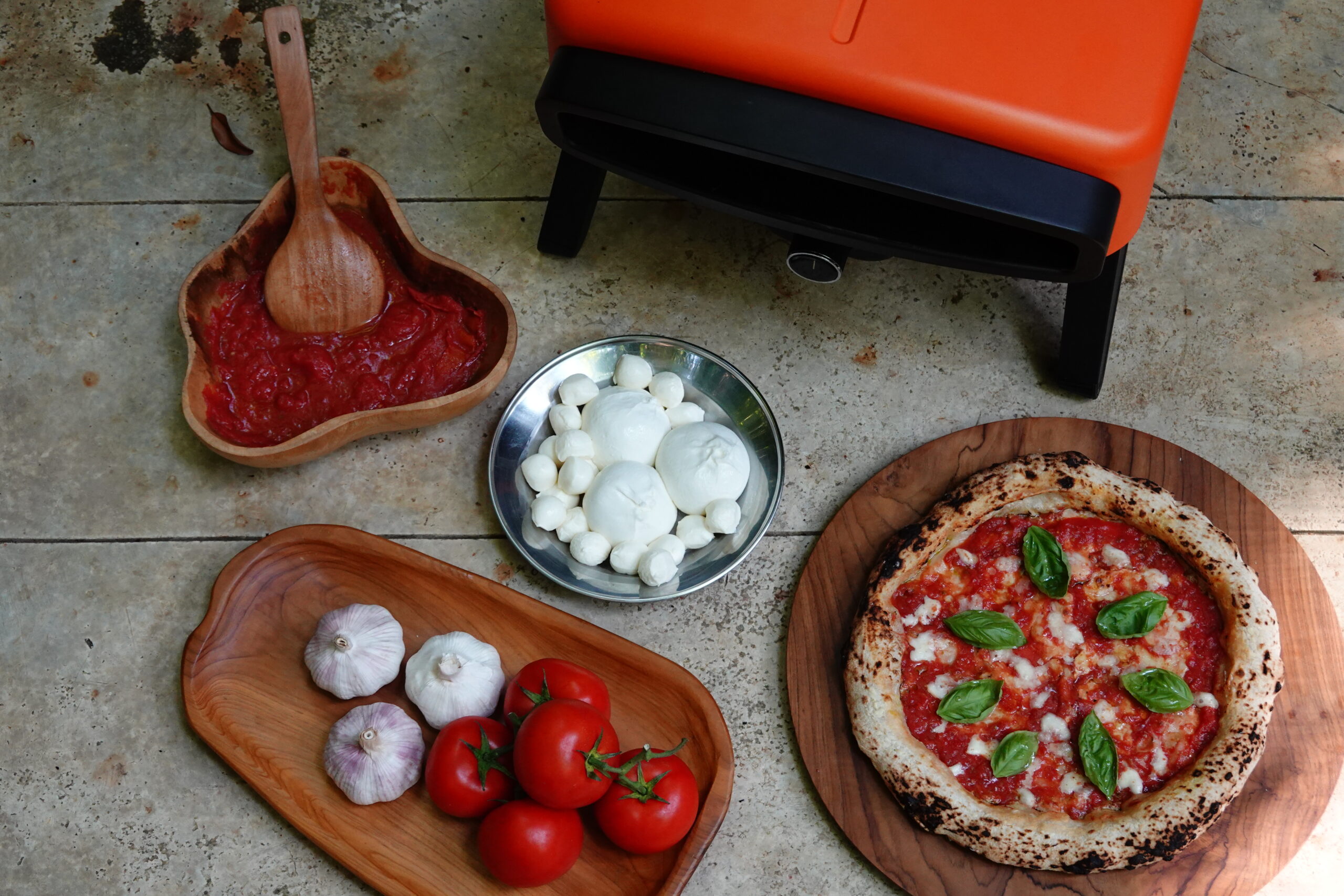
In Malaysia, food is far more than a pastime – it is practically a national passion. While pizza may not dominate the dining landscape here in the same way it does in Italy, the UK, or the United States, it has steadily built a loyal following nonetheless. Over the past decade in particular, appreciation for well-made pizza has grown noticeably. From neighbourhood delivery chains to small wood-fired pizzerias tucked into shoplots, Malaysians clearly understand the appeal of a good pie.
Increasingly, though, people want to enjoy great pizza at home just as easily as they do outside.
Across Western markets, the past decade has seen a surge in dedicated home pizza ovens. Pandemic lockdowns certainly accelerated the trend, but the enthusiasm has persisted. Consumers who once relied on standard domestic ovens – often producing pizzas with pale toppings and soft bases – began chasing something closer to restaurant-quality results. The objective was simple: replicate the performance of a commercial pizza oven in a backyard or balcony setting.
That thinking has gradually reached Malaysia as well. While the trend admittedly may not ever reach the same scale as in the United States or Europe, more home cooks here are exploring the idea of producing proper pizza themselves.
THE IMPORTANCE OF HEATIf there is one defining difference between restaurant ovens and most home kitchens, it is heat.
A true pizza oven, whether wood-fired or gas-powered, typically operates above 450°C and often approaches 500°C. At those temperatures, a thin Neapolitan-style pizza cooks in just 60 to 90 seconds. The dough rises rapidly, distinctive leopard spotting forms along the crust, and the base sets before the toppings have time to dry out.
By comparison, most domestic ovens in Malaysia top out somewhere around 230 to 250°C. Even with a baking steel or pizza stone, that still leaves you working with roughly half the heat required for authentic results. The pizzas are perfectly edible, of course, but rarely quite match what you might get from a dedicated pizzeria.
For home cooks inspired by Instagram reels or YouTube tutorials, this is often where aspiration collides with reality.
Well-known international brands such as Ooni and Gozney have established a strong reputation for compact, high-performance pizza ovens designed specifically for home use. Their units are beautifully engineered and capable of serious heat output. However, for buyers in Malaysia, the cost can quickly escalate once currency conversion, shipping, import duties, and local mark-ups are factored in.
It is not uncommon to see certain imported models retailing locally for several thousand ringgit. Add accessories – peels, covers, thermometers, gas attachments – and the investment climbs further. For many people simply curious about making pizza at home, spending RM4,000 to RM7,000 on a specialized appliance can feel like a significant gamble.
THE RISE OF LOCAL OPTIONSThis pricing gap has naturally created space for locally available alternatives.
One fine example is the Beetle Box pizza oven, which aims to deliver the key features that matter for pizza-making – high temperatures, effective insulation, and straightforward operation – without the steep imported price tag. Despite its affordability, however, the oven boasts globally recognized approvals from UKCA (UK), CE (EU), CSA (North America), and AGA (Australia).
Designed to run on standard LPG cylinders, the oven and its integrated cordierite baking stone can reach the high temperatures needed for fast-fired pizzas while remaining compact enough for Malaysian homes, where outdoor cooking often takes place on balconies, terraces, or small garden spaces.
In a tropical climate where sudden rain and persistent humidity are common, practicality matters. A pizza oven used here needs to be durable, easy to operate, and reasonably portable (for storage and maybe moving it inside for protection during a huge thunderstorm). Overly complex systems tend to lose their appeal pretty quickly, including those that rely on wood or fuel pellets. While we like the romance (and results) of a real wood-fired oven, having to always have wood on hand (not to mention cleaning all the ash out of your oven) can make the whole exercise a bit of a chore. For convenience without too much in the way of compromise, gas is the way to go.
Another practical detail is capacity. The Beetle Box oven can handle pizzas up to 14 inches in diameter, giving home cooks plenty of room to experiment with different dough styles, sizes, and topping combinations. By contrast, entry-level models from other brands tend to offer only 12 inches. Larger sizes are definitely available, but the cost rises dramatically for these models.
For aspiring home pizzaiolos, the basic requirements are clear: strong heat, consistent temperature recovery between pizzas, and a unit that is simple enough to operate when friends are gathered and several dough balls are waiting to be shaped and baked.
STARTING YOUR PIZZA JOURNEYRegardless of where you eat pizza or what your preferred style might be, one truth tends to hold: the crust is the foundation of the entire dish. Accordingly, everything begins with the dough.
A good flour is essential. While you do not strictly need the finely milled Italian Tipo 00 flour commonly used for pizza, it certainly performs well, especially for Neapolitan pizzas cooked in high-heat ovens. More importantly, look for the right protein content (11.5 to 12.5%), low ash content (under 0.5%), and unbleached, soft and fine flour. Any flour that capably ticks those boxes will serve you well.
Caputo Pizzeria flour is extremely well-regarded, but as it’s imported from Italy, even online sellers (Shopee and Lazada) bottom out at about RM12-13 per kg. We love this flour, but also found plenty of success with a Japanese-style bread flour, which clocks in at about 11.5% protein, is very finely milled, and produces a soft, resilient, and nicely workable dough. Home cooks can also mix this flour with the more expensive Caputo at about a 60:40 ratio for cost management without sacrificing the end quality. A fine Japanese bread flour is available any of the many Bake With Yen bakery shops around Greater KL for less than half the price of the Caputo.
If those flours are not readily available, a regular bread flour with roughly 12-12.5% protein content works perfectly well, though this flour is better-suited to New York- or Sicilian-style pizzas. Unlike Neapolitan pizzas, a New York-style pizza is best cooked at about 310-320°C, not the full-bore top temps that the Beetle Box oven is capable of reaching.
A traditional Neapolitan-style dough requires only four ingredients: flour, water, yeast, and salt. There are countless recipes available online, but beginners are often best served by sticking with the basics. Hydration levels around 60–65% are a good starting point. That simply refers to the ratio between flour and water – for example, 62% hydration means adding 62 grams of water for every 100 grams of flour.
Higher hydration doughs of 65–70% can produce excellent results, but they also become noticeably stickier and more challenging to handle. For those still learning the process, starting at slightly lower hydration levels often makes shaping easier.
After mixing and kneading, the dough can technically be used the same day (after proofing and rising). However, allowing the dough to ferment overnight in the refrigerator produces significantly better flavour. Dough balls can also be frozen, so we like to make a batch of four or six at a time. Just plan ahead and have one or two ready in the fridge, with the rest in the freezer. You’ll need to time it well, as even refrigerated dough will need a couple of hours at a minimum to come up to temperature before you being shaping and stretching it.
As with most bread-making pursuits, patience and timing reward you.
Dough handling and stretching represent the main learning curve in pizza-making. Once that skill is mastered, the rest of the process becomes surprisingly straightforward. YouTube is overflowing with videos with pros teaching the nuances of pizza dough handling, so let these internet chefs be your guide!
USING A HIGH-HEAT OVENWhen working with a dedicated pizza oven, one of the most important steps is proper preheating.
Although the oven reaches usable temperatures relatively quickly, allowing a few extra minutes ensures the baking stone itself becomes fully heated. That stored heat is what cooks and blisters the base of the pizza effectively.
That level of heat also means there is a real learning curve to using such an oven, so there is definitely going to be a period of trial and error, even for experienced cooks.
One tool that quickly proves indispensable is a small, long-handled turning peel. Unlike the larger peel used to launch and retrieve pizzas, a turning peel – usually around 7 to 8 inches in diameter – allows you to rotate the pizza during baking.
Because the heat source sits at the back of the oven, pizzas must be turned periodically to ensure even cooking. A thin metal turning peel slides easily beneath the dough and allows quick adjustments during the short cooking cycle.
Two additional items are also extremely useful: an infrared thermometer and semolina flour.
The Beetle Box oven includes a built-in thermometer, but a handheld infrared thermometer allows you to measure the exact temperature of the baking surface at different points inside the oven. Models capable of reading up to 550–600°C are widely available (check Shopee or Lazada) and relatively inexpensive.
Semolina flour, meanwhile, is excellent for dusting the peel before launching the pizza. Its coarse texture helps the dough slide cleanly onto the hot baking stone without sticking. Regular flour and cornmeal can burn more easily at very high temperatures. That said, semolina burns at temps approaching 500°C, too, so use only the minimum amount needed to prevent sticking or you’ll just be introducing fuel into your oven. Once again, there’s a learning curve involved here. Using a perforated peel helps, as excess semolina falls through the slots in the peel and thus the amount going into your oven is reduced.
With the oven fully heated, pizzas typically cook in around two minutes or less. Attention must be paid during the bake; this is not a situation where you can pop something in the oven and wander off… or even get distracted. You will need to intently focus on the pizza’s rapid baking process. Early attempts may require some adjustment – the combination of seriously intense heat and live flame can easily intimidate newcomers and catch them off-guard – but with a bit of practice, and quite likely a partly over-charred pizza or two, the results eventually become quite impressive.
THE VERDICTFor us, home pizza-making is ultimately about accessibility and experimentation.
When the cost of entry climbs too high, any initial curiosity tends to fade quickly – and that’s a real shame. Because when the tools become more accessible and attainable, people are far more willing to explore the craft. And before long, those who were merely curious get hooked. Pizza making, in addition to yielding some really good meals, is quite fun, too, as is the whole journey. Hydration levels are adjusted. Fermentation times are tested. Sauce recipes evolve. Toppings are debated.
It is a process that rewards experimentation – and it is undeniably enjoyable.
For Malaysian cooks who have long admired restaurant-quality pizzas but assumed they were too difficult to replicate at home, the growing availability of dedicated pizza ovens is changing that perception. With the right equipment, good ingredients, and a bit of patience, producing an excellent pizza at home is entirely achievable. And with the arrival of Beetle Box, the fact that a quality local option is now available at a fraction of the cost of eye-wateringly expensive imported models makes the decision to embark on this journey a lot more palatable. It’s a company whose stated mission is “To bring the joy of authentic pizza-making to everyone. We believe great food should be simple, fun, and accessible — that’s why Beetle Box is built for anyone to create restaurant-quality pizza right at home.”
And once the first truly good pie comes out of the oven, it becomes clear why so many people around the world have embraced the hobby, and host their own regular “pizza nights” right at home.
To learn more, visit beetleboxoven.com. If you prefer a more hands-on intro, you can also see this impressive pizza oven in person at the 2026 edition of WhiskyPLUS in Kuala Lumpur, scheduled for August 15th.
...


Read the fullstory
It's better on the More. News app
✅ It’s fast
✅ It’s easy to use
✅ It’s free