Oil prices tumble as Iran declares Hormuz Strait “completely open” during ceasefire
.png)
10 小时前
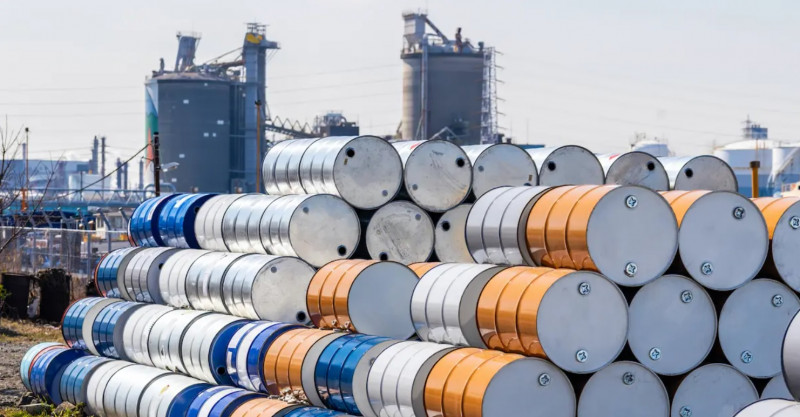
OIL prices fell sharply after Iran announced that the Strait of Hormuz would be “completely open” to commercial vessels for the duration of a ceasefire linked to the conflict involving the United States and Israel.
Benchmark crude Brent crude oil dropped to around US$88 per barrel following the announcement, down from more than US$98 earlier in the day, before later recovering slightly to around US$92.
The BBC cited Iranian Foreign Minister Abbas Araghchi saying today that: “The passage for all commercial vessels through Strait of Hormuz is declared completely open for the remaining period of ceasefire.”
The Strait of Hormuz, a narrow waterway south of Iran, is one of the world’s most important energy corridors, through which roughly one-fifth of global oil and liquefied natural gas shipments are transported.
Its partial disruption in recent months had significantly reduced global supply and driven prices higher.
U.S. President Donald Trump welcomed Iran’s announcement, although shipping authorities said they were still verifying whether safe transit conditions had been fully restored.
Maritime industry body BIMCO warned that risks in the area remain unresolved. Jakob Larsen, the organisation’s chief safety and security officer, said: “The status of mine threats in the traffic separation scheme is unclear and BIMCO believes shipping companies should consider avoiding the area.
“This means that the Traffic Separation Scheme is not declared safe for transit at this point.”
The International Maritime Organization (IMO) also said it was assessing Iran’s announcement. Secretary-General Arsenio Dominguez said: “We are currently verifying the recent announcement related to the reopening of the Strait of Hormuz, in terms of its compliance with freedom of navigation for all merchant vessels and secure passage using the IMO established traffic separation scheme.”
Financial markets responded positively to the easing of supply fears, with major indices rallying. The S&P 500 rose 1.2 per cent, while the CAC 40 in Paris and Germany’s DAX both closed around 2 per cent higher. London’s FTSE 100 ended the day up 0.7 per cent.
Before the conflict escalated, Brent crude was trading below US$70 per barrel. It surged above US$100 during the crisis, peaking at over US$119 in March, before easing following diplomatic developments.
The earlier disruption to shipping through the strait had significantly reduced global oil flows, pushing up fuel prices and raising concerns over wider economic impacts, including aviation fuel shortages and potential flight disruptions.
Energy market volatility also affected agricultural inputs, with fertiliser shipments through the strait disrupted. Roughly a third of global fertiliser-related chemicals pass through the waterway, contributing to rising food price pressures.
In a separate development, motoring groups in the United Kingdom said petrol and diesel prices had begun to ease slightly for the first time since the conflict began, although costs remain significantly higher than earlier in the year.
Iran’s declaration of reopening followed a ceasefire agreement involving Israel and Lebanon, adding to a series of regional diplomatic and military developments that have influenced global markets in recent weeks. - April 18, 2026
...


Read the fullstory
It's better on the More. News app
✅ It’s fast
✅ It’s easy to use
✅ It’s free