Thailand Halves Visa-Free Stays for Tourists – Including Malaysians, Many Expats

7 小时前
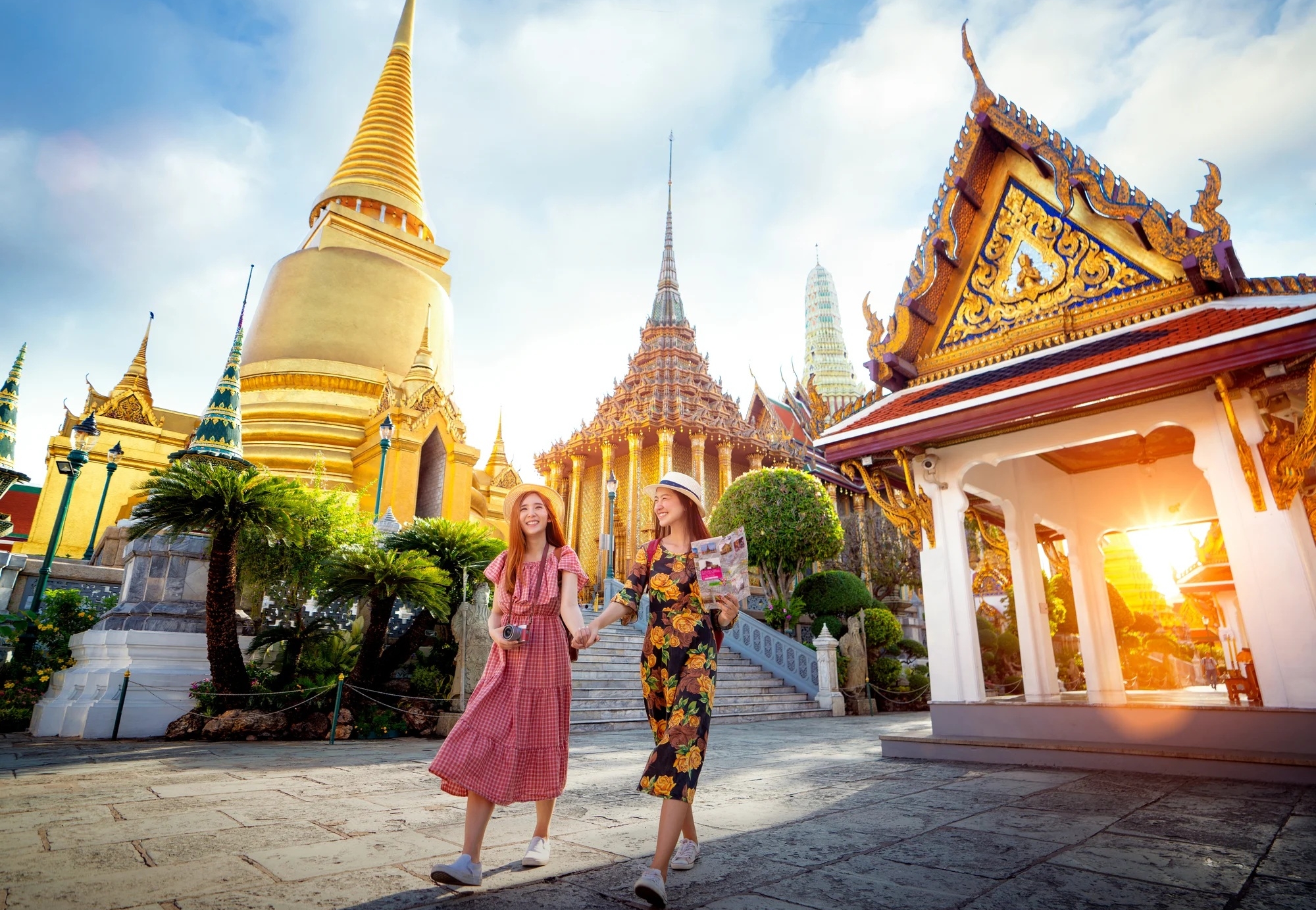
The Land of Smiles is imposing a new limit on that well-known welcoming friendliness.
Thailand is making a significant change to one of its most generous tourism policies, halving the standard visa-free stay from 60 days to 30 for citizens of 60 countries and territories. Malaysians are among those affected, meaning that the familiar two-month stay available to Malaysian passport holders will be reduced to one month from September 15.
The change was approved by the Thai Cabinet in May and formally published as part of a broader revision of the country’s visa-exemption and visa-on-arrival arrangements. The revised scheme scraps the 60-day exemption that had covered 93 countries and replaces it with a more limited system focused principally on tourism. The 30-day stay can be extended once for a further period of up to 30 days, although the extension remains at the discretion of an immigration officer.
For Malaysians, the change is particularly notable because Thailand is an exceptionally accessible neighboring destination, with extensive road, rail, and air connections – and millions of cross-border visits each year. It does not, however, amount to the end of visa-free travel. Malaysian passport holders will continue to be eligible for visa-exempt entry, but the initial permitted stay will be shorter.
The change will also be relevant to Malaysia’s substantial expatriate population. Many foreign residents here hold passports from countries included in Thailand’s revised visa-exemption list, including the United States, United Kingdom, Germany, Australia, the Netherlands, France, Canada, and New Zealand. For those residents, the new 30-day limit will apply when they travel to Thailand, regardless of their status as long-term residents of Malaysia.
Thailand’s Foreign Ministry says the tightening is partly a response to abuses of the immigration system and a series of criminal cases involving foreign nationals. Recent arrests have included foreigners accused of drug offences and sex trafficking, as well as people allegedly operating businesses such as hotels and schools without the required permits. The government has increasingly emphasized that visa-free entry is intended for legitimate visitors, rather than as a convenient route into the country for people intending to work or conduct unauthorized business.
The policy is being introduced despite Thailand’s continued dependence on tourism. The country has received 20.9 million foreign visitors so far this year, according to the latest official figures, although that represents a 3 percent decline from the corresponding period in 2025. The government is therefore tightening the rules at a time when it is hardly trying to discourage tourism altogether.
For the typical tourist, the change will make little difference in practical. Thailand’s international visitors stayed an average of 10.8 days in 2023, meaning a 30-day exemption remains comfortably longer than the usual holiday. Even on the long end, UK visitors to Thailand reportedly stayed an average of 17.4 days, also well short of the new limit. The people most affected are likely to be long-stay tourists, “slow” travellers, retirees, repeat visitors, digital nomads, or those who may combining tourism with another purpose.
A GROWING PUSHBACK AGAINST TOURISM ABUSESThailand’s move also fits into a broader international reassessment of what governments are prepared to tolerate in the name of tourism. The reasons vary considerably, and it would be misleading to suggest that overtourism, illegal work, criminal activity, and visa abuse are all the same problem. Increasingly, however, destinations are putting more conditions around the once-simple proposition that foreign visitors should be allowed to arrive, stay, and spend with relatively few restrictions.
In Bali, for example, Indonesian authorities have stepped up scrutiny of foreign nationals engaging in commercial activities while holding visas that do not permit them to work. A special task force has been operating in areas with high concentrations of foreigners, while 342 foreign nationals from 60 countries were deported during the first six months of 2026 for immigration violations and other offences. Indonesia has also introduced a specific Content Creator Visit Visa, reflecting the increasingly blurred line between tourism, remote work, and commercial activity.
Europe provides a different version of the same broader phenomenon. Venice has expanded its day-tripper access fee as authorities attempt to manage visitor pressure, while Spain, Italy, and France have seen growing opposition to mass tourism over housing costs, overcrowding, and the impact on local communities.
Even Malaysia is dealing with its own version of the problem. Immigration authorities reported 2,630 arrests related to misuse of Social Visit Passes in 2025, with 451 more arrests recorded by July 15 this year involving foreigners found working while holding visitor passes. Authorities have also been pursuing foreigners entering Malaysia as tourists and subsequently becoming involved in businesses or other economic activities without the appropriate visas or other permits.
The Thai change is therefore part of a much larger conversation about the privileges attached to international travel. For the ordinary tourist, 30 days is still a substantial amount of time, and most short-term visitors will notice little practical difference. For those who have come to regard visa-free entry as a quasi-residency arrangement, however, the message from Bangkok is fairly clear: tourism privileges are being offered on increasingly explicit terms, and governments are becoming more willing to withdraw or restrict them when they believe those privileges are being abused.
Sources: Thailand Ministry of Foreign Affairs; Royal Thai Embassy; CNA; AFP; Bernama; Euronews.
...


Read the fullstory
It's better on the More. News app
✅ It’s fast
✅ It’s easy to use
✅ It’s free