From nursing to sport psychology, Rebecca Wong urges youths to study and explore the world

9 小时前
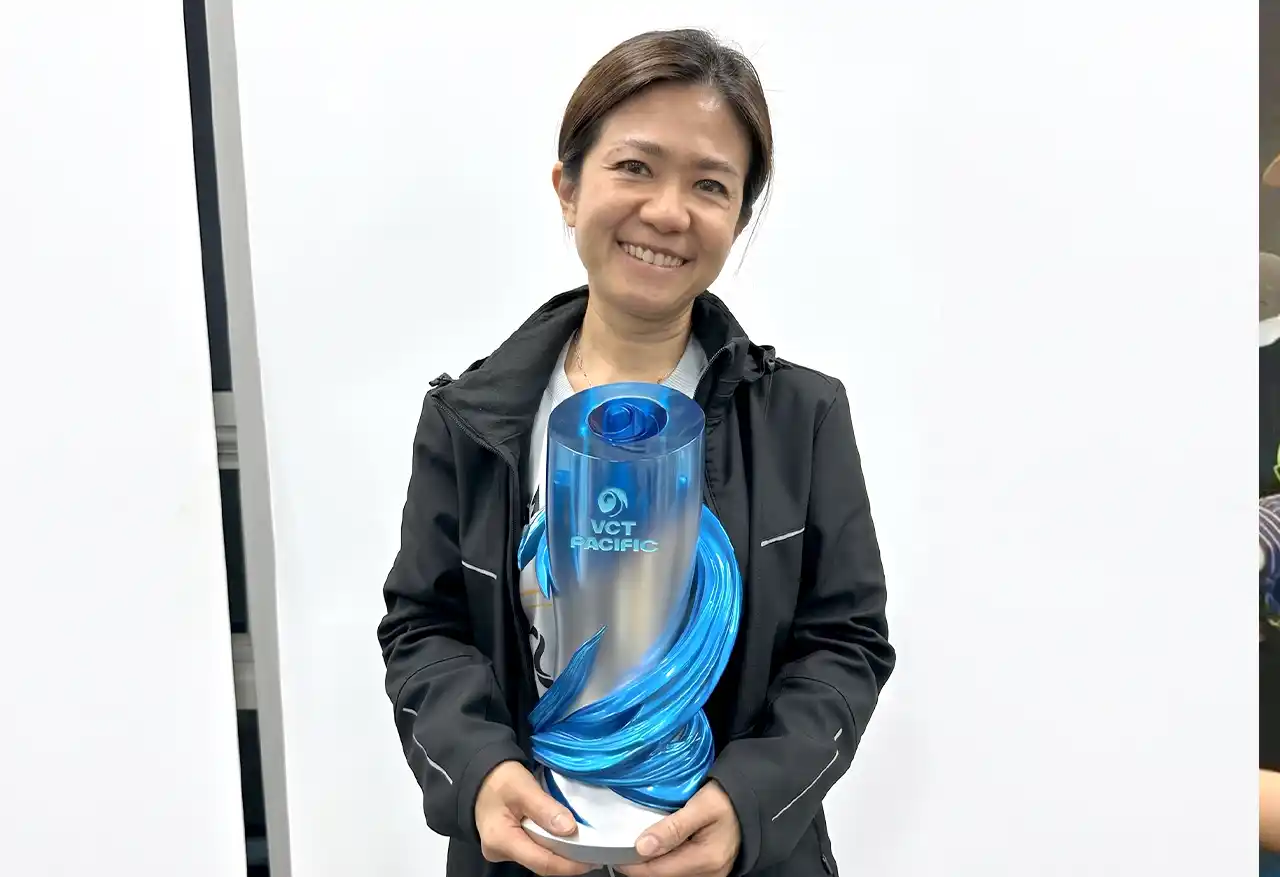
Rebecca Wong has come a long way since her childhood days in Seremban. The performance director of Selangor FC's eSports team now hopes to see sport psychology flourish in Malaysia.
KUALA LUMPUR: Rebecca Wong’s journey from nursing to nutrition, sports science and, eventually, sport psychology has taken her across Asia and into eSports.
The Seremban-born mother of two, who holds qualifications in nursing, nutrition and sports science, as well as a PhD in sport psychology, is now the performance director of Selangor FC’s eSports team.
Having worked in China and Indonesia before returning to Malaysia, Wong lives by a simple motto: “Go do whatever you like, go explore, experience different things, and never stop learning.”
Wong has come a long way since her days at SJKC Chan Wa. An active child, she swam, played in the school band and took up karate.
“After secondary school (SMK Chan Wa), I got into nursing. It was because I wanted to run away from STPM … I cried doing physics and double maths,” she said jokingly.
“There was an opening (to study nursing) at Universiti Sains Malaysia in Kelantan. It was a culture shock being there. I was totally unfamiliar with that world.
“Along the way, I developed eating disorders and tried to lose weight. When I graduated, I didn’t want to be a nurse because I disagreed with the healthcare system then.”
Wong went on to pursue a degree in nutrition.
“After that, I understood that it’s not just about how you eat but what you think.”
With job opportunities scarce in 2001, she took up a research assistant position to finance her master’s degree in sports science.
“Upon graduating, my mentor, Professor Willie Pieter, told me I was more suited to becoming a psychologist. I am extremely grateful because he gave me a glimpse of what sports science and sports psychology were like outside Malaysia.”
The National Sports Institute (NSI) was still in its infancy when Wong applied for a position in 2004. She secured the job after her second interview. At the time, the institute had only 30 staff members, including medical personnel.
Wong said then NSI chief executive officer Datuk Dr Ramlan Aziz encouraged her to go beyond research and engage directly with sports officials and athletes.
She began working with the national wushu team.
“It was an easy group to work with. The wushu athletes and coaches opened up and were receptive to new ideas. We got good results in 2005. The following year, I received requests from other sports officials to work with their teams.”
Wong also worked with the national artistic gymnastics team and later the national badminton squad, including iconic women’s doubles pair Wong Pei Tty and Chin Ee Hui.
“I started with simple things, such as collecting their mood profiles a month before a major tournament, in the days leading up to it and during competition. Generally, within a week or two of major meets, some athletes develop anxiety and mood disturbances.
“Being behind a desk, your vision is very limited. But when I started working directly with athletes, I got to see the bigger picture.”
Her professional development was shaped by mentors such as Professor Si Gangyan, head of sport psychology at the Hong Kong Sports Institute, and Professor Remco Polman, an internationally respected sport and exercise psychologist.
In 2015, Wong completed her PhD in sport psychology at Universiti Pendidikan Sultan Idris (UPSI) in Tanjung Malim, Perak.
She left the NSI in 2019 after 15 years with the institute.
“The biggest struggle at the NSI was the system and retaining trained staff. Most of them were employed on contract.
“As a sports institute, you need qualified people. But the pay did not match their educational qualifications.”
Wong moved to Beijing to work with China’s speed skating team. However, Covid-19 lockdowns cut short her stint, and she returned to Malaysia in 2020.
“In 2021, I got a job with Malaysian eSports team SMG. That was my starting point in eSports.”
In 2024 and 2025, she worked in Indonesia with Team RRQ before joining Selangor FC’s eSports team as its performance director.
“In eSports, there is a lack of awareness about balancing training and free time. Many eSports athletes stay at home and communicate with friends online. Even when they are not playing their main games, they are playing other games online.
“We all know that science and research have shown that physical activity is good for humans. That’s what I am trying to do – ensure eSports athletes take part in physical activities.”
Her background in nutrition and nursing also proves useful, allowing her to advise athletes on their diets and injury prevention.
“Most eSports professionals live together. It’s good that they have each other, but there is a lack of privacy. Imagine being with your office colleagues 24/7.
“So they have to watch what they eat and take care of their mental health.”
Beyond her professional responsibilities, Wong also makes time for her two teenage children – an 18-year-old son and a 16-year-old daughter.
“Since they were young, I have shown them that I work with elite athletes. I also bring them along to some of the activities. They actually know some of the athletes personally.”
Wong said she constantly reminded her children to focus on the process and put in the effort.
“I am glad that I have a common language with my son. He plays online games, too, and we watch Mobile Legends together. It’s something we talk about a lot.
“I know many mothers are sceptical, and playing games can get out of control. But it is difficult to avoid … it’s like you cannot avoid (the use of) artificial intelligence (AI).
“So instead, why not learn more about online games and explore them? That way, parents can understand their children better.”
While Wong may be seen as the “cool” mother, she remains a firm believer in education.
“Studying is still important.”
Wong hopes more young people will take up sport psychology. Her bigger ambition, however, is to see the profession regulated in Malaysia.
“Right now it (sport psychology) isn’t (regulated). Only clinical psychology is regulated under the Malaysian Allied Health Professions Council.
“So the handful of us sport psychologists adhere to the International Society of Sport Psychology Practitioner Registry (ISSP-R), which sets a global minimum standard for sport and exercise psychology practice to support international mobility.
“Those interested in sport psychology should visit the International Society of Sport Psychology website athttps://issponline.org/ to get a better understanding of the subject,” she added.
...


Read the fullstory
It's better on the More. News app
✅ It’s fast
✅ It’s easy to use
✅ It’s free