Budget 2027 tells us the truth: We will get old before we get rich
7 小时前
Budget 2027 offers welcome support for older Malaysians. But its measures also expose a much bigger challenge: how the country will care for an ageing population before it has the wealth and resources to do so.
Malaysia’s Budget 2027, tabled in Parliament last month, raised the minimum civil service pension from RM1,000 to RM1,350 a month, benefiting about 59,000 retirees and veterans.
That is not all. The allocation for Bantuan Warga Emas was increased to RM1.3 billion, reaching nearly 200,000 older people. From January, the service tax on senior care services will fall from eight to six per cent, while care fees of up to RM96,000 a year will be fully exempt from tax.
Tax relief for those caring for their parents and grandparents has also been expanded to cover all aspects of their care, rather than medical expenses alone. In addition, about RM40 million has been allocated through HRD Corp to train 8,000 care workers.
Read the full list of measures, though, and it begins to look less like an act of generosity and more like a country quietly confronting something it would rather not say out loud. We are ageing rapidly, and we are getting old before we get rich.
The numbers are clear. The Department of Statistics Malaysia expects the country to become an ageing nation by 2030, when people aged 60 and above will make up more than 15 per cent of the population. In 2024, this group numbered about 3.9 million, or 11.6 per cent of the population, up from 11.3 per cent the previous year. Those aged 65 and above accounted for 2.6 million, or 7.7 per cent.
The direction is unmistakable, and 2030 is not far away. It is only three or four budgets from now.
What we keep overlooking, I think, is the sequence in which this is happening. Japan and much of Europe, the places we tend to picture when we think of ageing societies, grew old after becoming wealthy. They had time to build their pension systems, hospitals and national savings while a large working population was still contributing to the economy. We are doing it the other way round: growing older while still a middle-income country, with our economic reserves far from full. That is a challenge no single budget can resolve, however many worthwhile measures it contains.
What does this squeeze look like in practice? There are several pressures, and none is abstract.
Start with who pays. A pension system, public hospitals and any form of social safety net depend on enough working people supporting those who have left the workforce. As the proportion of older people rises and the younger population shrinks, that balance becomes harder to sustain. Fewer shoulders are left to carry a heavier load. We may not like hearing it, but it is arithmetic, and it does not negotiate.
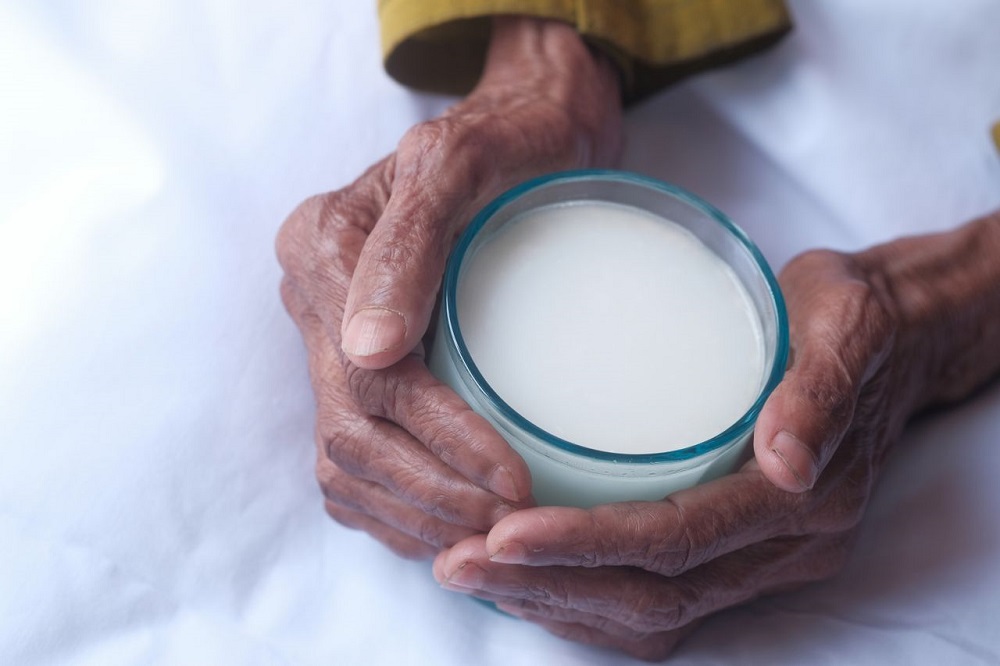
Then there is care itself, which concerns me most, probably because of the work I do. A bigger pension provides money, and money helps. But it does nothing for an 80-year-old who can no longer bathe herself, prepare a meal or remember whether she has taken her medication. Someone has to be there every day, often for years.
In Malaysia, that responsibility has traditionally fallen on families. And let us be honest about who usually bears the burden: daughters and daughters-in-law, providing care without pay, often while holding down full-time jobs and raising children of their own. For decades, we have relied on this unpaid labour to sustain our elder-care system, dressing it up as filial piety.
That arrangement is beginning to unravel, quietly and largely out of sight. Women who might once have stayed at home to care for older relatives are now in the workforce, where they should be. Families that once had five children to share the responsibility may now have only two. The pool of unpaid carers is shrinking, and we have yet to build the system needed to take over.
To be fair, the budget appears to recognise some of this. The expanded caregiver tax relief, lower service tax on care, funding to train care workers and two new care centres in Penang and Sarawak all point to a government beginning to treat care as work with real economic value, rather than an inexhaustible source of family goodwill. That represents a genuine shift in thinking, and it should not be dismissed.
The problem is the scale of these measures relative to the scale of the challenge. We do not have to take my word for it. Minister in the Prime Minister’s Department (Federal Territories) Hannah Yeoh has publicly called for the allocation to be reviewed so that more can be done for older Malaysians.
When someone within the government is calling for more funding, it is reasonable to ask whether the measures on the table, welcome as they are, go far enough to meet the demands ahead.
So what is this really about? A budget is not simply a spreadsheet showing who gets what. It is a country deciding, in ringgit, whom it will look after and whom it expects to provide that care without payment. On ageing, we have made a reasonable start on the first part of that equation but have barely begun addressing the second. We are topping up pensions while hoping the daughters will keep turning up.
If we want to move from piecemeal support to a coherent plan, several things need to happen. Elder care must be treated as national infrastructure, much like schools and highways. A trained, properly paid care workforce would allow family members to remain in employment instead of giving up their jobs to look after a parent.
The unpaid carers, most of them women, who are holding the system together also need meaningful support. That means respite care, financial assistance and flexible working arrangements. These are not acts of charity. They are ways of preventing more workers from leaving an already stretched workforce. And the money needed to build this support system will be easier to raise now, while we still have a relatively large working-age population, than in 2035, when the window of opportunity will have narrowed considerably.
Above all, we owe the rakyat an honest conversation about the choices ahead. We can pay more to care for older people properly, or continue relying on unpaid family members until that arrangement breaks down. There is no cost-free third option, however much we might wish there were.
We will all grow old one day, if we are fortunate. The budget we draw up for our parents is the one our children will eventually draw up for us. We should get it right while we still have the time, the resources and the people to make it work.
The views expressed here are the personal opinion of the writer and do not represent those of Twentytwo13.
...


Read the fullstory
It's better on the More. News app
✅ It’s fast
✅ It’s easy to use
✅ It’s free