Muted Singles Day campaign winds down as China's shoppers hunt for value
7 小时前
China’s annual Singles Day shopping campaign entered its final stages last week, but frequent discount promotions and government subsidies have pushed forward demand and diminished some of the excitement surrounding the event.
“Sales happen so often now that I’ve stopped stockpiling this year,” a 40-something woman living in Shanghai said. “I just buy what I need, when I need it.”
The shopper used to take advantage of major sales events to stock up on pet supplies and other household goods, but she decided this year to hold off.
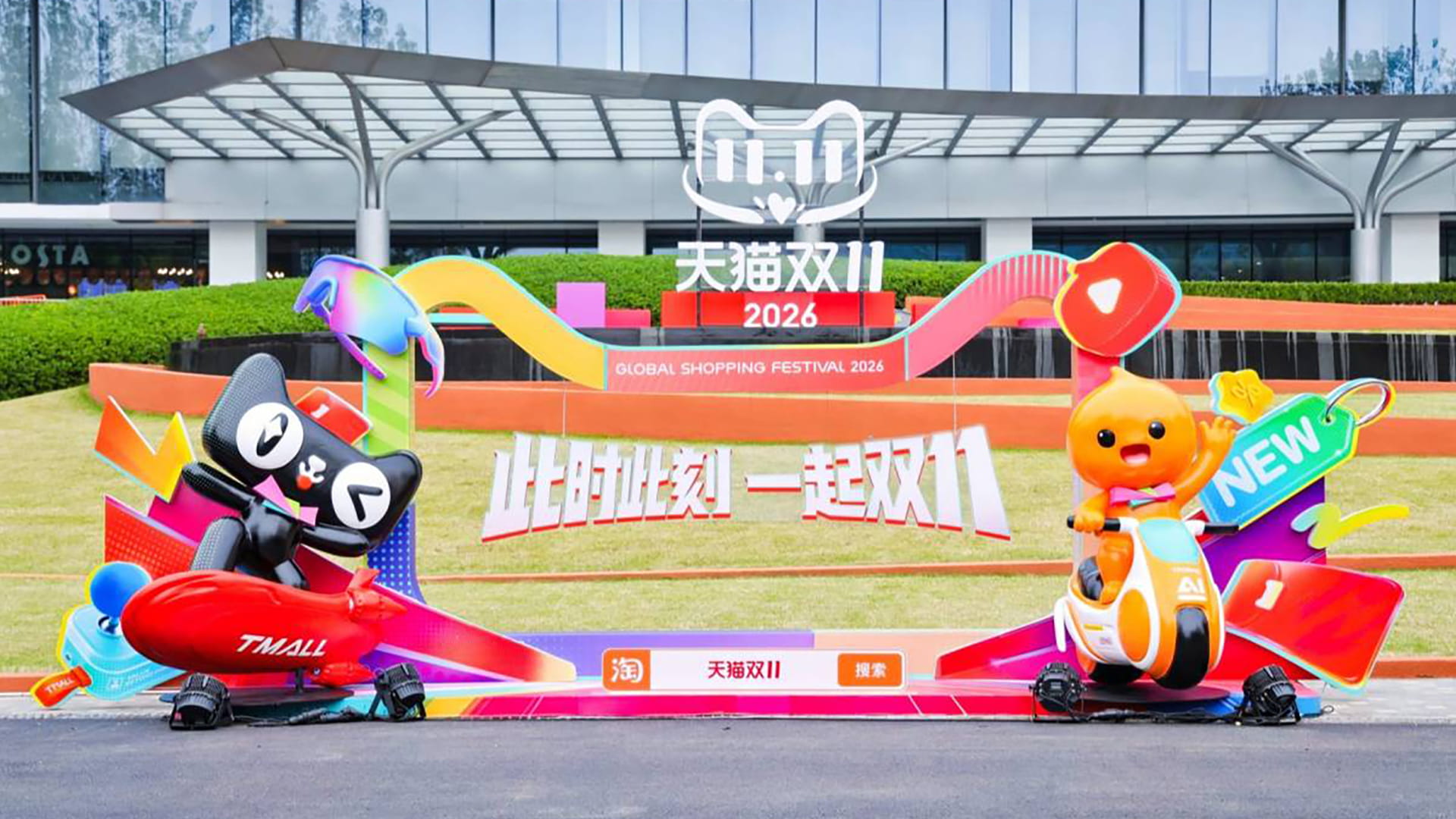
Singles Day originally referred to November 11, with the four ones in the date symbolizing single people. Alibaba Group launched the promotion in 2009. Lavish marketing efforts, including star-studded events, helped turn it into a national shopping extravaganza and a symbol of China’s consumer spending.
What began as a one-day sale has gradually grown longer as weak consumer spending, driven by the country’s property downturn and a difficult job market, prompted retailers to extend promotion periods. Since 2024, the event has in effect become a monthlong shopping season.
Direct comparisons are difficult because this year’s sales period differs from last year’s, but Citigroup forecasts that gross merchandise value for this year’s event will rise 2–5% from the 2025 campaign.
Even so, this year’s festival appears more downbeat than in previous years. Data compiled through the end of October by Chinese research firm QuestMobile showed that daily user numbers on major shopping apps, including Alibaba’s Taobao, were down from those of 2025.
Businesses are scrambling to stimulate demand.
At the China International Import Expo in Shanghai, which ran through November 10, voices echoed through the exhibition halls as foreign consumer goods companies livestreamed sales presentations from their exhibition booths.
Viewers watching the broadcasts on Douyin, the Chinese version of TikTok, were pitched products advertised at “expo-exclusive prices.” The event is normally a venue for negotiations with local governments and state-owned enterprises, but the livestreams reflected companies’ effort to inject some energy into the shopping season.
This year, major artificial intelligence companies also joined the sales events. On Alibaba-backed e-commerce platform Tmall, discounted plans for AI services from Alibaba and DeepSeek were on offer, along with reduced-price AI tokens. With AI adoption picking up across China, the offerings were a hit.
China’s consumer spending remains sluggish. January-September retail sales rose just 1.1% from a year earlier, according to the National Bureau of Statistics. For the past two years, the government has sought to stimulate consumption through subsidies for such purchases as home appliances, but the effect has been to bring forward demand.
With spending growth under pressure, shoppers are becoming more selective. Consumers are increasingly pursuing “quality-value ratios,” said Christine Peng, head of Greater China consumer research at UBS.
“This differs from the concept of a cost-performance ratio, which focuses mainly on price,” Peng said. “Consumers are placing greater emphasis on both strong performance and high quality.”
According to a media outlet specializing in the cosmetics industry, foreign brands occupied all but the top spot among the top ten cosmetics sellers on Tmall during the early phase of this year’s sales campaign.
The trend suggests that consumers are not simply cutting spending across the board and are willing to pay more if they believe that a product delivers sufficient value. This has companies altering their marketing strategies to communicate that value to shoppers.
This article first appeared on Nikkei Asia. It has been republished here as part of 36Kr’s ongoing partnership with Nikkei.
...


Read the fullstory
It's better on the More. News app
✅ It’s fast
✅ It’s easy to use
✅ It’s free